Using a 6-connected triangular prismatic amine building block, an isoreticular pair of 3D COFs with acs topology was synthesized. The COF constructed from a planar-aromatic aldehyde building block exhibited a lower degree of interpenetration (2-fold) compared to its counterpart derived from a spatial-aromatic aldehyde building block (6-fold).
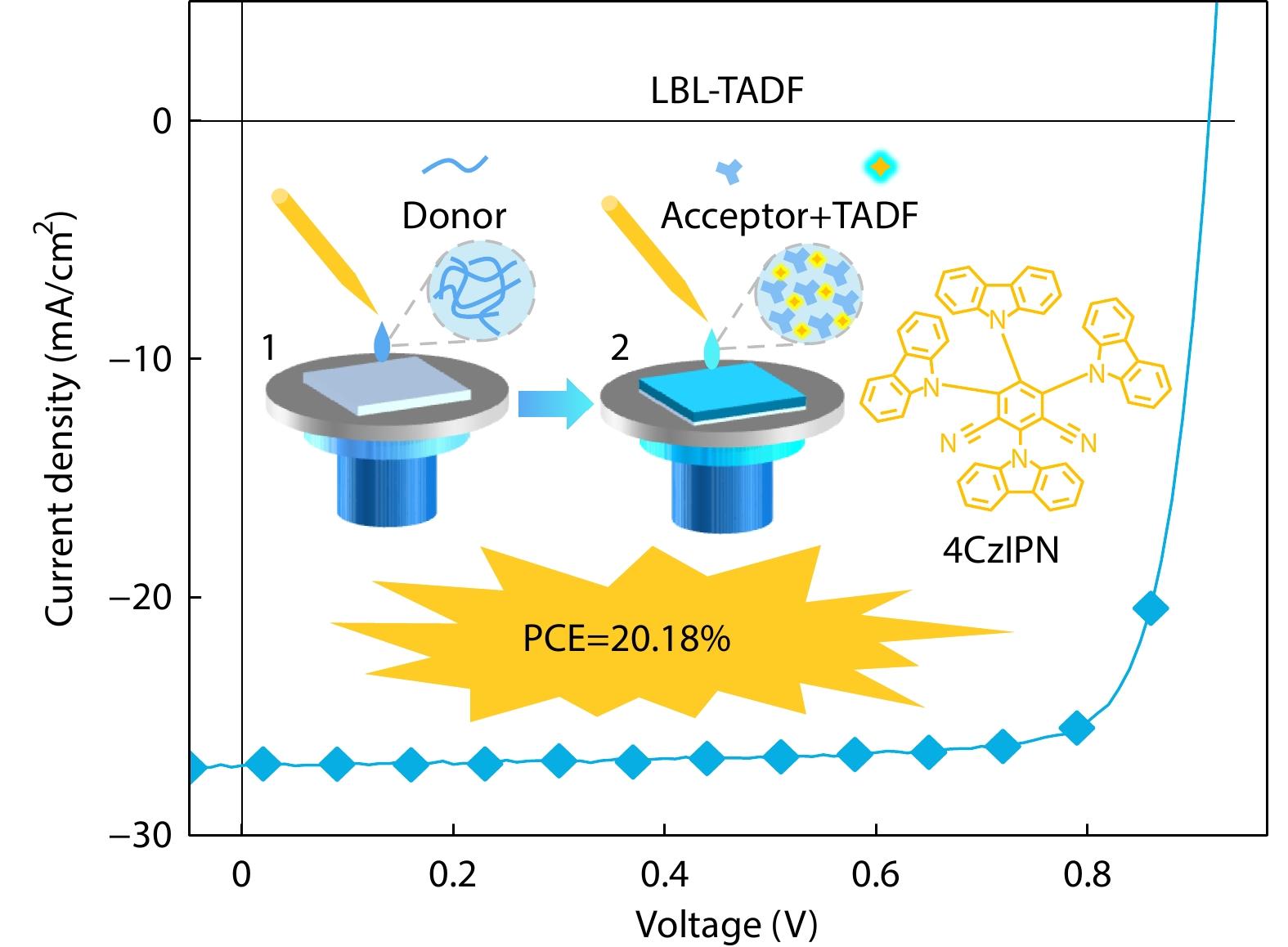
Incorporating a thermally activated delayed fluorescence (TADF) additive into layer-by-layer fabrication synergistically optimizes the active layer morphology and suppresses non-radiative losses in polymer solar cells, enabling enhanced charge transport and exciton dynamics, as well as a power conversion efficiency of over 20%.
This review covers chemical modification and physical encapsulation strategies for water/alcohol-soluble organic luminophores, enabling advances in bioimaging, sensing, anti-counterfeiting, and sustainable optoelectronics via solubility design.
Polymeric nanomedicines provide versatile platforms for comprehensive tumor microenvironment (TME) regulation. By coordinating immune cell modulation and stromal remodeling, these systems dismantle biological barriers and transform “cold” tumors into a “hot” state to maximize synergistic anti-tumor immune activation.
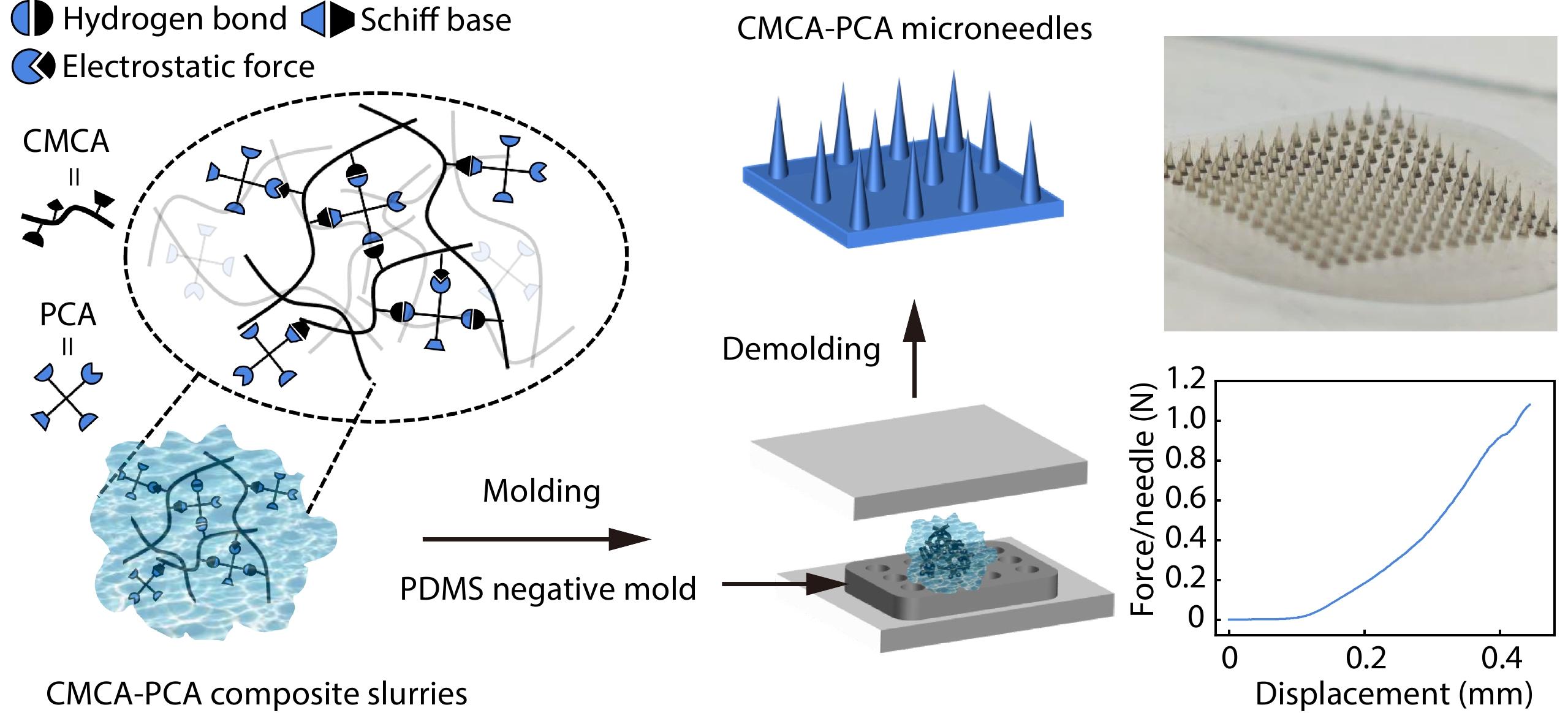
Supramolecular microneedles with high mechanical robustness and high molding fidelity were rapidly fabricated under mild conditions by pressing a viscoelastic supramolecular composite slurry. Such performance originates from reversible interactions between the polymer and polyphenol, enabling rapid fabrication without elevated processing temperatures.
Polyelectrolyte gels exhibit salt-responsive swelling behavior due to electrostatic interactions between charged monomers and mobile ions. Using a cell model that explicitly addresses inter-monomer electrostatic interactions, we investigate the salt-dependent swelling and shear modulus of polyelectrolyte gels, and reveal four distinct scaling regimes covering both overlapping and non-overlapping electric double layers.
A branched poly(terpolyphenylene 3-piperidinium) membrane was developed, featuring a high fraction of bound water and improved ion conduction efficiency. Water electrolysis cells using this membrane achieved current densities of 10.4 A·cm–2 at 2.0 V with an Ir anode and 6.3 A·cm–2 with a noble-metal-free Ni-Fe anode, and demonstrated 1000 h durability in the noble-metal-free anode configuration.
Sodium alginate/poly(vinyl alcohol) double-network fibers are fabricated via a facile and green procedure, which overcome the trade-off between strength and toughness without sacrificing the aqueous stability and biodegradability.
A versatile mannosylated nanocarrier featuring blood-brain barrier (BBB) penetration and glioma cell targeting was designed. It enables the efficient delivery of a new aggregation-induced emission photosensitizer, thereby facilitating photodynamic therapy.
This work demonstrates that central-core side-chain fluorination effectively enhances the molecular electrostatic potential of A-D-A-type narrow-bandgap fused-ring electron acceptors, leading to strengthened intermolecular interactions and efficient exciton dissociation, ultimately achieving a power conversion efficiency of 13.32%, which is among the highest performances in this category-based organic solar cells.
A thermal oscillation strategy was developed for the fabrication of high-strength silk fibroin hydrogels exclusively from all-aqueous silk fibroin solutions, eliminating the need for toxic chemicals or non-degradable materials.
A rigid-flexible network via bismaleimide/biphenyl epoxy co-curing enables deep charge traps and stress relief, achieving a discharged energy density of 4.59 J/cm3 and 90% efficiency at 200 °C.
An iodine-mediated reversible deactivation radical polymerization (RDRP) integrating reverse iodine transfer polymerization (RITP), reversible complexation mediated polymerization (RCMP), and atom transfer radical polymerization (ATRP) enabled in situ generation of alkyl iodide initiators. Their cooperative interplay enables controlled polymerization of methacrylates and provides insight into multi-mechanism radical polymerization.
Selenium-containing block copolypeptides are synthesized from L-selenomethionine and N’-Cbz-L-ornithine, demonstrating both ice-controlling and antioxidative properties. Serum-free cryopreservation of L929 fibroblasts by using the cryoprotectant containing copolypeptide, 5% DMSO, and 0.1 mol/L trehalose achieved over 80% survival post-thaw and more proliferative rate, superior to 10% DMSO only.
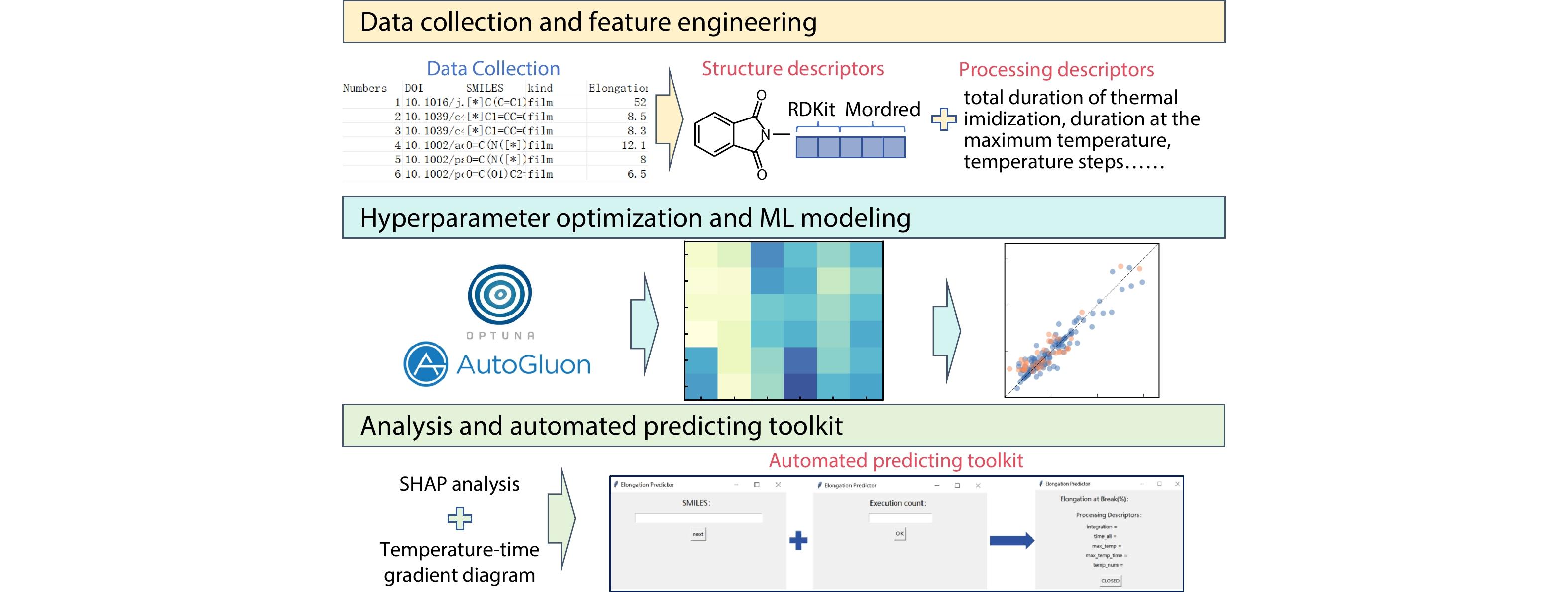
A machine-learning framework was developed that integrates molecular structures and processing conditions to predict and optimize the mechanical properties of polyimides. The model identifies key structure-processing-property relationships and enables automated prediction of optimal processing conditions from a SMILES string and a user-defined number of optimization iterations inputs.
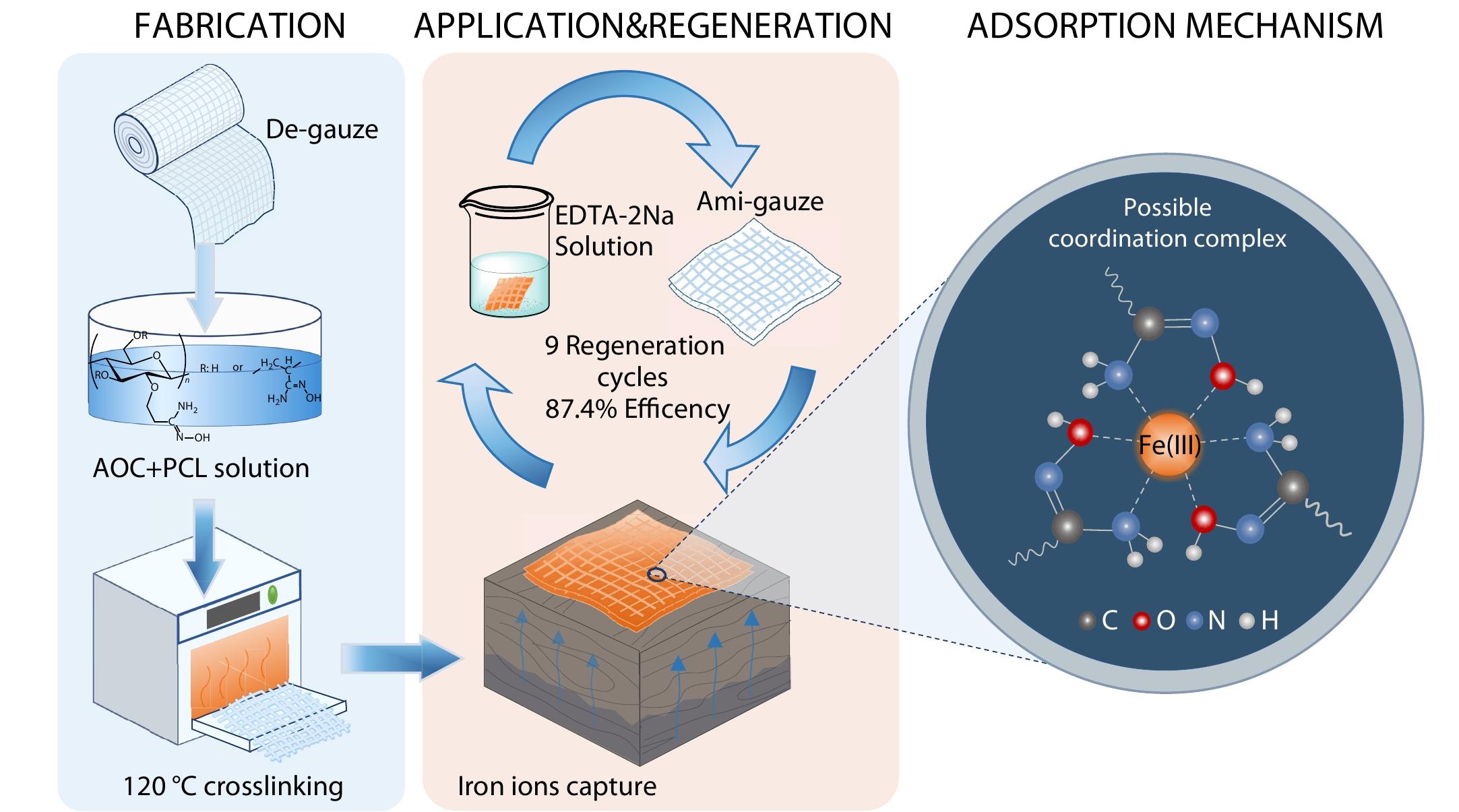
A cost-effective and scalable amidoxime-functionalized gauze was developed to efficiently extract iron ions from marine wooden artifacts. Synergizing the hygroscopicity of gauze with the metal-binding affinity of amidoxime groups, this reusable cellulose adsorbent retains over 87.6% of its capacity after nine regeneration cycles, providing a practical solution to mitigate iron-induced degradation in cultural relics.
Ultrahigh-density hydrogen-bonded elastomers were prepared by incorporating tannic-acid-functionalized cellulose nanocrystals (TA@CNC) into a waterborne polyurethane (WPU) matrix. The optimized material achieves a tensile strength of 48 MPa, elongation at break of 2667%, toughness of 700 MJ·m–3, true fracture stress of 1319 MPa, and 84% room-temperature self-healing efficiency.
Simulations revealed that α-synuclein undergoes a GC-length-dependent conformational switch: ≥4 consecutive GC pairs induce β-sheet formation, unlike AT-rich regions, implicating DNA in the regulation of protein aggregation and gene expression.
A daidzein-based benzoxazine resin achieved a UL-94 V-0 rating (LOI 40.2%) and 62.7% char yield via condensed/gas-phase synergy. Its glass fiber composite exhibited a flexural strength of 748.4 MPa and impact strength of 329.8 kJ/m2.
This study presents a biomimetic strategy for efficiently synthesizing polylevodopa (poly(L-DOPA)) nanoparticles using benzoyl peroxide, yielding materials with tailored electronic structures and significantly enhanced UV-shielding performance for advanced protective coatings.
Organopolysilazane oligomers undergo free radical polymerization to produce uniform polymer microspheres, which are then pyrolyzed at about 1000 °C in N2 to form amorphous SiCNO ceramic microspheres with embedded free carbon domains. This unique structure enables the material to achieve high capacity, excellent long-term cycling stability, and robust structural integrity as a lithium-ion battery anode.
Using UV curing technology, transparent flame-retardant coatings with an average transmittance exceeding 90% were formed on the surface of polycarbonate films. MAAR-P8T4 enables 0.5 mm thick polycarbonate film to achieve a UL-94 vertical burning rating of V-0.
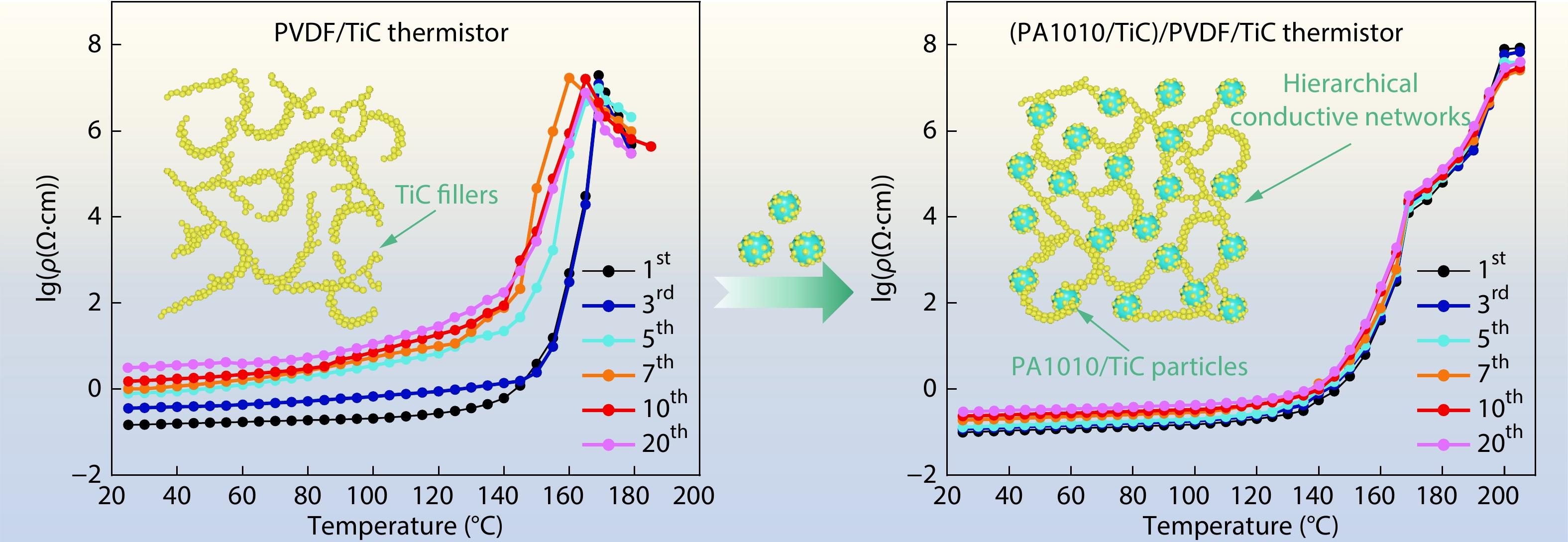
A solution-mixing strategy based on the solubility difference of polymers was employed to fabricate hierarchical polymeric positive temperature coefficient (PPTC) composites. Benefiting from the relay function of the PA1010/TiC particles, the reproducibility was significantly improved.
Nucleating agents enhance poly(butylene carbonate) (PBC) performance with annealing and stretching, improving crystallinity and mechanical properties. PBC/SiO2 strength rose to 61.96 MPa (annealed) and 83.26 MPa (stretched), though agent dispersion varies.
A high-performance conductive hydrogel is prepared via in situ incorporation of a CMC/PPy composite into a hydrophobic polyacrylamide network. It combines excellent mechanics with a wide sensing range, enabling wearable strain sensing, self-powered sensing, and Morse code transmission.
This work ingeniously designed and synthesized rice-like hierarchical PN-NiFePS derived from NiFe-MOF, which integrates in situ grown inorganic nanosheets and covalently grafted P/N-containing organic chains, significantly enhancing the comprehensive properties and providing a novel strategy for multifunctional EP composites.
Regulating hard segment content in bio-based 1,4-phenylene diisocyanate (PPDI) polyurethanes optimizes microphase separation and induces ordered crystallization. This significantly enhances the 5% thermal deformation temperature to 230.2 °C and tensile strength to 22.6 MPa, providing a robust strategy for sustainable, high-performance elastomers.
Zinc ion chelated melamine phosphate (MPP) optimizes pore structure and forms a dual-phase barrier, significantly enhancing foam energy absorption and flame retardancy via combined gas and char reinforcement.
Poly(ethylene terephthalate)/Poly(butylene terephthalate) (PET/PBT) monofilaments were prepared by melt-blending spinning. At 2 wt% PBT, the monofilament exhibited a uniform radial-gradient structure and optimal mechanical properties. Excessive PBT induces transesterification and phase separation, thereby deteriorating performance.
This work provides a comprehensive analysis of the degradation mechanisms in three distinct FRP systems exposed to real-world outdoor weathering across five different climatic zones for a period of six years.
PMMA were grafted from the surface of ZIF-8-Br using SI-metal-free ATRP. Compared to ZIF-8-NH2, ZIF-8-g-PMMA exhibits improved water stability and hydrophobicity. The fabric modified with ZIF-8-g-PMMA exhibits superhydrophobicity, and the oil-water separation efficiency reaches 96%.