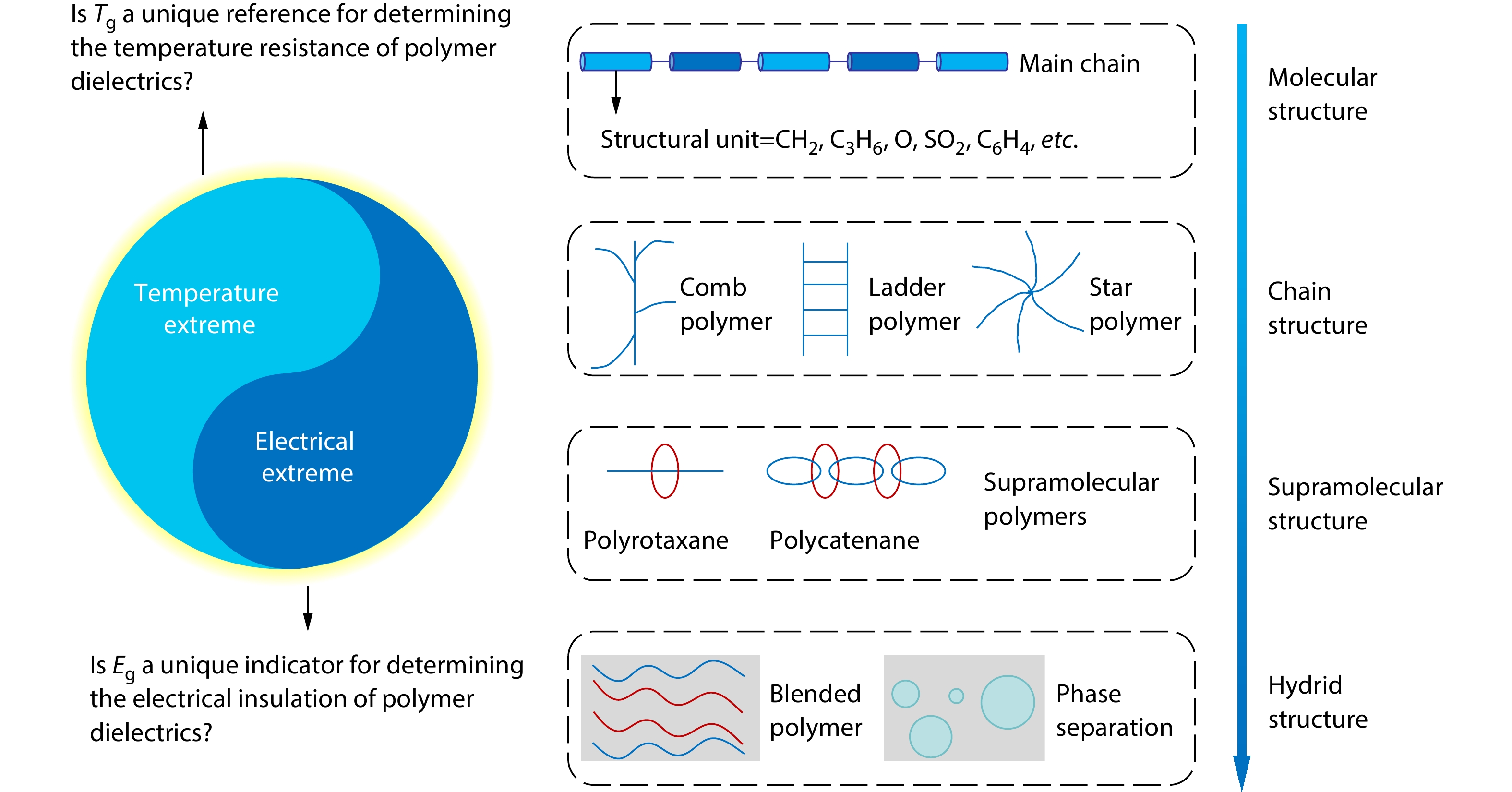
Polymer film-based dielectric capacitors are required to operate stably and efficiently at extreme temperatures in the emerging applications including underground oil and gas extraction, electrified transportation and space exploration, etc. However, the commercial benchmark polymeric dielectric, biaxially oriented polypropylene, can only withstand up to 105 °C, and its electrical insulation performance deteriorates sharply with increasing temperature. Recently, numerous reported strategies, such as surface engineering of polymer films and polymer-inorganic particle blending have reached considerable achievements in balancing the temperature capability and electrical insulation properties of polymeric dielectrics, but show less promise in production scale-up with respect to the all-organic dielectric systems. In this review, we summarize the recent progress of polymer molecular structure design and all-organic composite systems towards high-temperature capacitive energy storage. The correlation of high-temperature capacitive energy storage performance and multi-level structures of all-organic dielectrics is established, and the effect of molecular structures on the charge transport behavior is analyzed. Moreover, the strategy of utilizing materials informatics to design the molecular structure of high-temperature polymers is introduced. Finally, the advantages and limitations of all-organic polymer dielectrics in the field of high-temperature capacitive energy storage are summarized, and the future development directions are highlighted.
Special Topic: Distinguished Young Scholars in Polymer Science
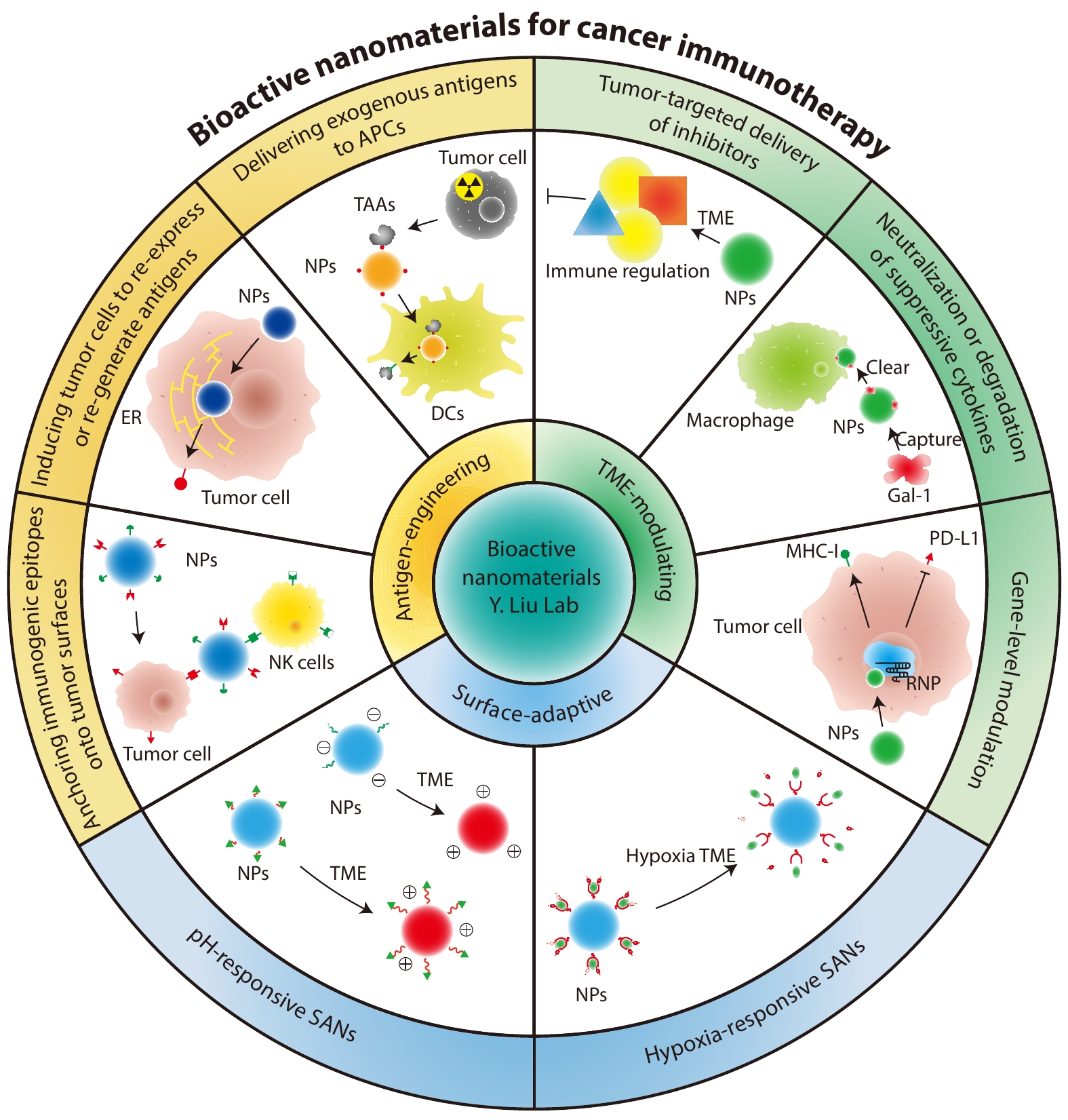
Cancer immunotherapy has revolutionized oncology by harnessing the immune system to recognize and eliminate malignant cells, yet its clinical efficacy is often limited by tumor immune evasion, low immunogenicity, and an immunosuppressive tumor microenvironment (TME). Recent advances in nanotechnology offer opportunities to overcome these barriers by precisely modulating both tumor and immune landscapes. In this review, we summarize three representative strategies developed by our group: (i) surface-adaptive nanomaterials (SANs), which respond dynamically to physiological and tumor-specific cues to enable prolonged systemic circulation, efficient barrier translocation, and controlled intratumoral activation; (ii) antigen-engineering nanoplatforms, designed to enhance tumor immunogenicity via delivering exogenous antigens to antigen-presenting cells (APCs), inducing tumor cells to re-express or re-generate, or anchoring immunogenic epitopes onto tumor surfaces, thereby promoting T cell activation and converting “cold” tumors into “hot” ones; and (iii) TME-modulating nanomaterials, which alleviate immune suppression via targeted delivery of inhibitors, neutralization or degradation of suppressive cytokines, and gene-level reprogramming of tumors to restore effector immunity. Together, these approaches provide a multifaceted framework for reinvigorating antitumor immune responses and offer mechanistic insights and design principles for the next generation of bioactive polymeric nanomaterials with potential translational application in cancer immunotherapy.
Special Topic: Distinguished Young Scholars in Polymer Science
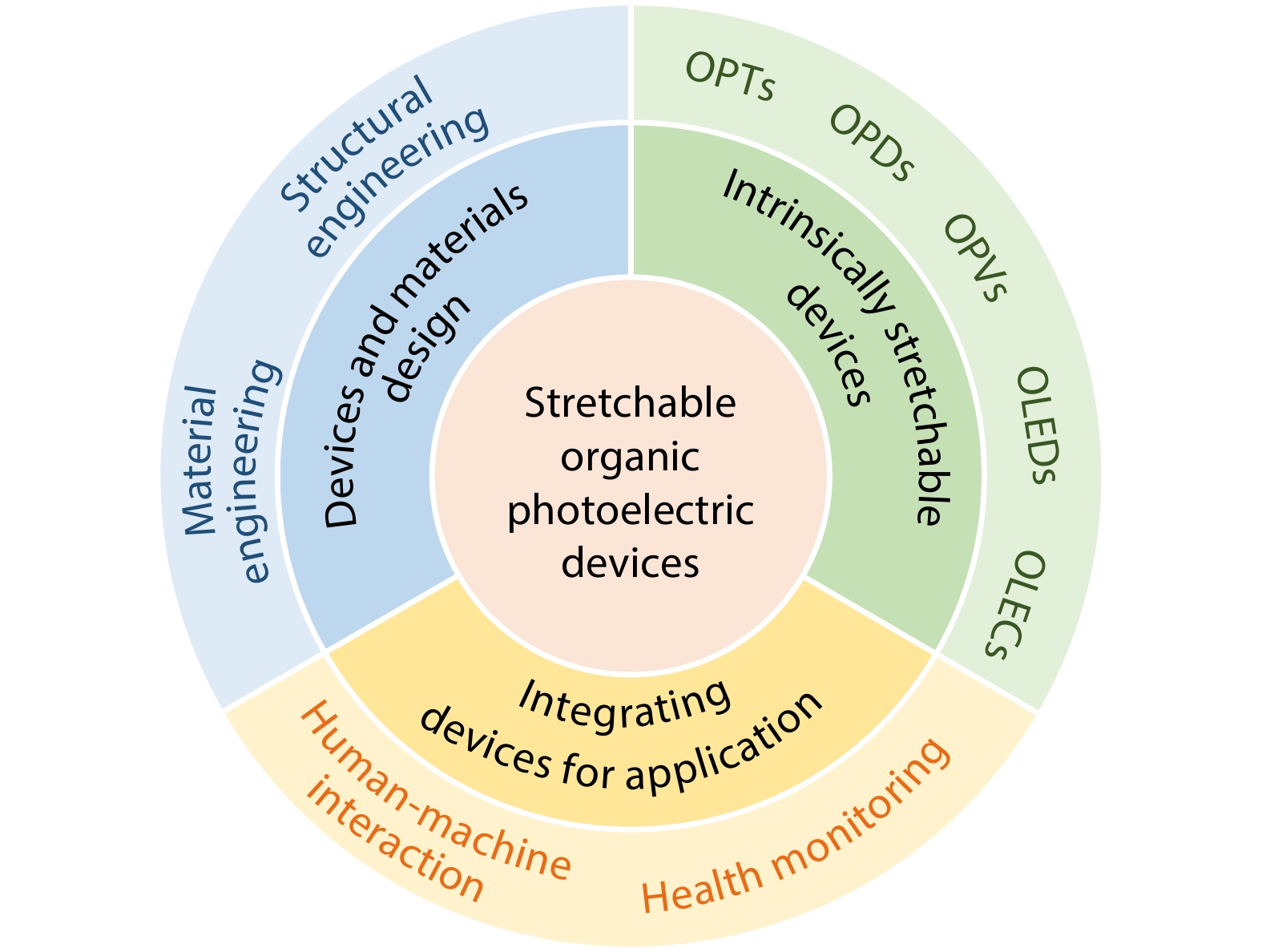
The rapid development of the Internet of Things and wearable technologies has created substantial demand for stretchable optoelectronic devices. Among these, intrinsically stretchable organic optoelectronic devices are emerging as key technologies for applications in wearable electronics, electronic skin, and health monitoring. This review systematically summarizes the recent progress in this field. We first outline two primary strategies for achieving stretchability: structural engineering (buckling and island-bridge configurations) and intrinsic material design. The review focuses on the latter, providing a comprehensive overview of the design of key components, including insulators, electrodes, and optoelectronic functional layers. Specifically, the design principles for intrinsically stretchable semiconductor active layers are elaborated with a focus on molecular engineering and composite material strategies. Furthermore, we summarize the performance optimization and applications of representative devices, such as organic photodiodes (OPDs), organic phototransistors (OPTs), organic photovoltaics (OPVs), organic light-emitting diodes (OLEDs), and organic light-emitting electrochemical cells (OLECs). The potential of these devices for integrated systems, including human-machine interaction, neuromorphic electronics, and wearable health monitors, is also explored. Finally, the current challenges and future research directions are discussed.
Special Topic: Distinguished Young Scholars in Polymer Science
The cross-linked structure plays a decisive role in determining the mechanical properties of polymer materials. Although various supramolecular polymer networks (SPNs) based on noncovalent bonds have been developed, few studies have focused on constructing SPNs through dual host-guest interactions between macro- and small-molecular building blocks. Herein, we utilized these building blocks to prepare SPNs aimed at addressing this gap. Specifically, the supramolecular polymer network SPN-EF was prepared through crown ether and pillararene-based dual host-guest interactions. Compared to the control systems SPN-AC and SPN-BD, which incorporate only single type of host-guest interaction (based on either crown ether or pillararene), the SPN-EF integrate the advantages of both systems, exhibiting balanced and enhanced mechanical properties. Moreover, the resulting SPN gels retain significant dynamic properties, including excellent self-healing capability and stimuli-responsiveness.
Special Topic: Distinguished Young Scholars in Polymer Science
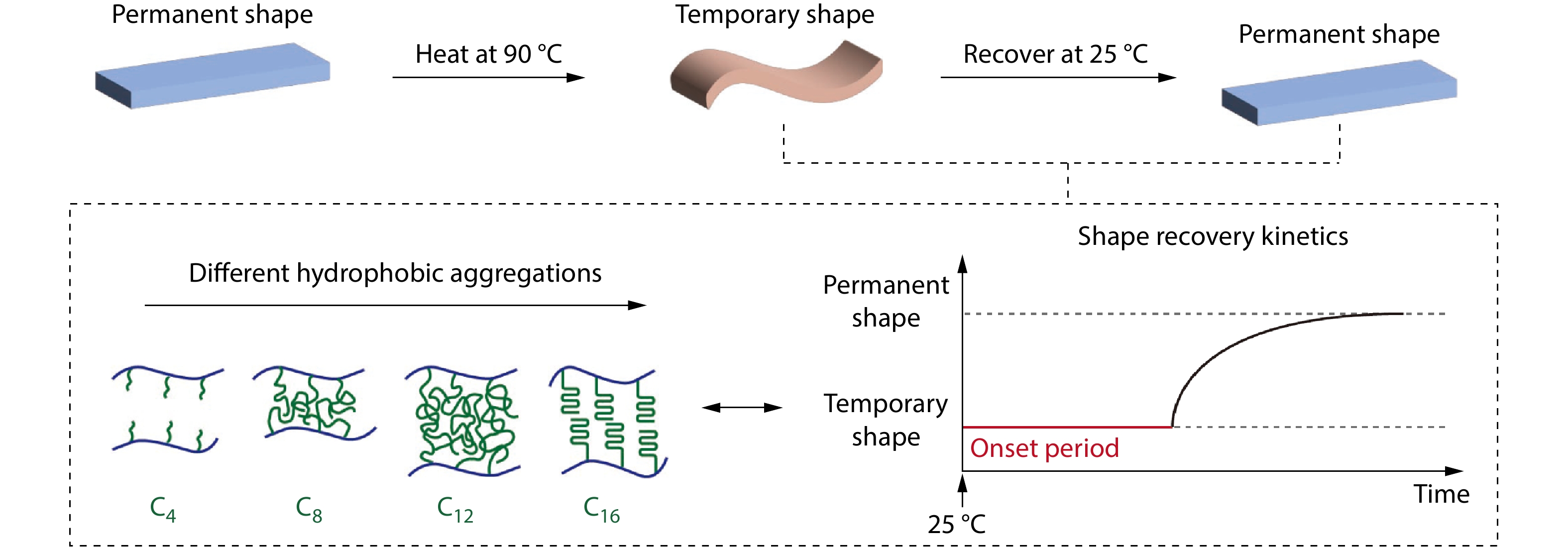
Shape memory behavior with programmable recovery onset have been discovered very recently in poly(acrylic acid) hydrogels crosslinked by calcium ions. Their ability to undergo apparent autonomous and timed shape transformation, governed by thermal-sensitive phase evolution, has attracted growing interests particularly for the development of trigger-free biomedical devices. While copolymerization with various monomers can introduce multifunctional properties, this strategy often compromises the phase-separated microstructure and shortens the recovery onset period. Here we introduce hydrophobic acrylate comonomers with different lengths of aliphatic chains to investigate various properties of the copolymerized hydrogels. Upon the same comonomer weight percentage of 20 wt%, short alkyl chains disrupt the polymer aggregation and disable the timed recovery. In contrast, longer alkyl chains form hydrophobic domains which enhance the mechanical properties of the hydrogel and prolong the onset time. Quantitatively, the copolymer hydrogel provided excellent tensile strength of 5.25 MPa and maximum onset period of strikingly 800 min, which are respectively 16.7 and 35 times than the homopolymer hydrogel. This work advances the understanding of the hydrogel system with programmable recovery onset and provides a promising molecular modulation strategy for functionalization of hydrogels with responsive phase separation behavior.
Special Topic: Distinguished Young Scholars in Polymer Science
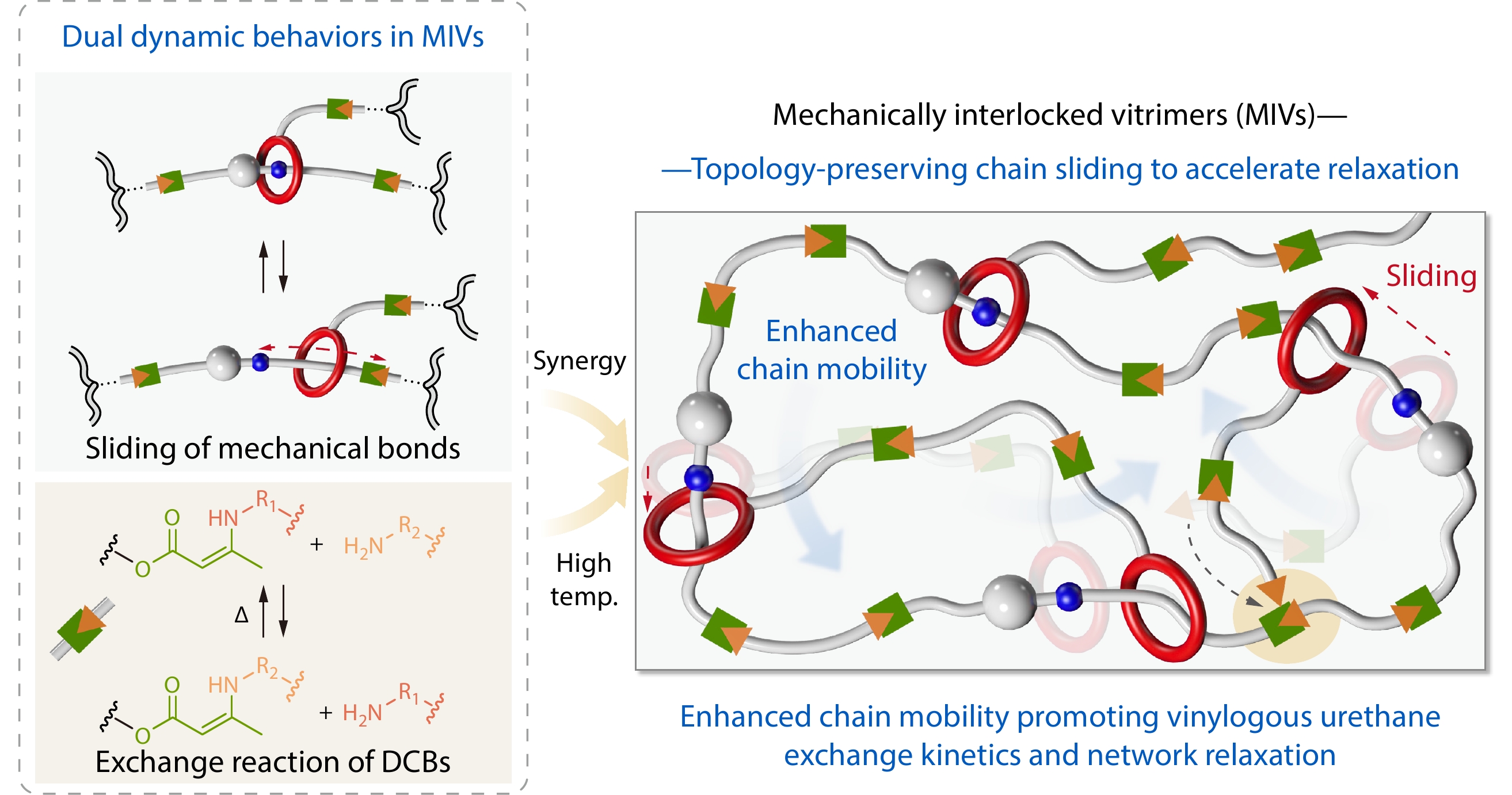
Covalent adaptable networks (CANs) have emerged as versatile platforms for sustainable polymer materials, where precise control over the dissociation/exchange kinetics of dynamic covalent bonds is essential for tuning their viscoelastic behaviors. Herein, we introduce a topology-preserving strategy to accelerate network relaxation by embedding slidable mechanically interlocked cross-links into vinylogous urethane-based CANs, yielding mechanically interlocked vitrimers (MIVs). The mechanically bonded junctions are constructed by incorporating kinetically stable acetoacetate-functionalized [2]pseudorotaxane cross-linkers through catalyst-free polymerization with diamines. Although exhibiting higher glass-transition temperatures than a control network with identical cross-linking density but fixed cross-links, the representative MIV-2 maintains comparable ductility while displaying greater toughness, indicating that the slidable cross-links effectively enhance chain sliding. At elevated temperatures, this chain sliding prominently accelerates stress relaxation in MIV-2, showing a substantial reduction in the apparent activation energy for vinylogous urethane exchange compared with the control (10.3 versus 21.2 kJ/mol). Unlike the control with fixed cross-links, the chain motion enabled by mechanical bonds enhances the diffusion of dynamic covalent moieties, thereby effectively promoting bond exchange throughout the network. Owing to the associative nature of vinylogous urethane exchange, the mechanically bonded cross-links remain topologically constrained on the polymer chains during relaxation. Consequently, the accelerated stress relaxation originates from mechanical-bond-mediated chain sliding rather than defect generation, clearly distinguishing MIVs from defect-mediated dual-dynamic CANs designs commonly employed to promote relaxation. These results disclose how the mechanically interlocked structures regulate chemical reactions in cross-linked polymer networks, establishing a novel strategy of topology-engineering guided structural design for smart multidynamic polymers.
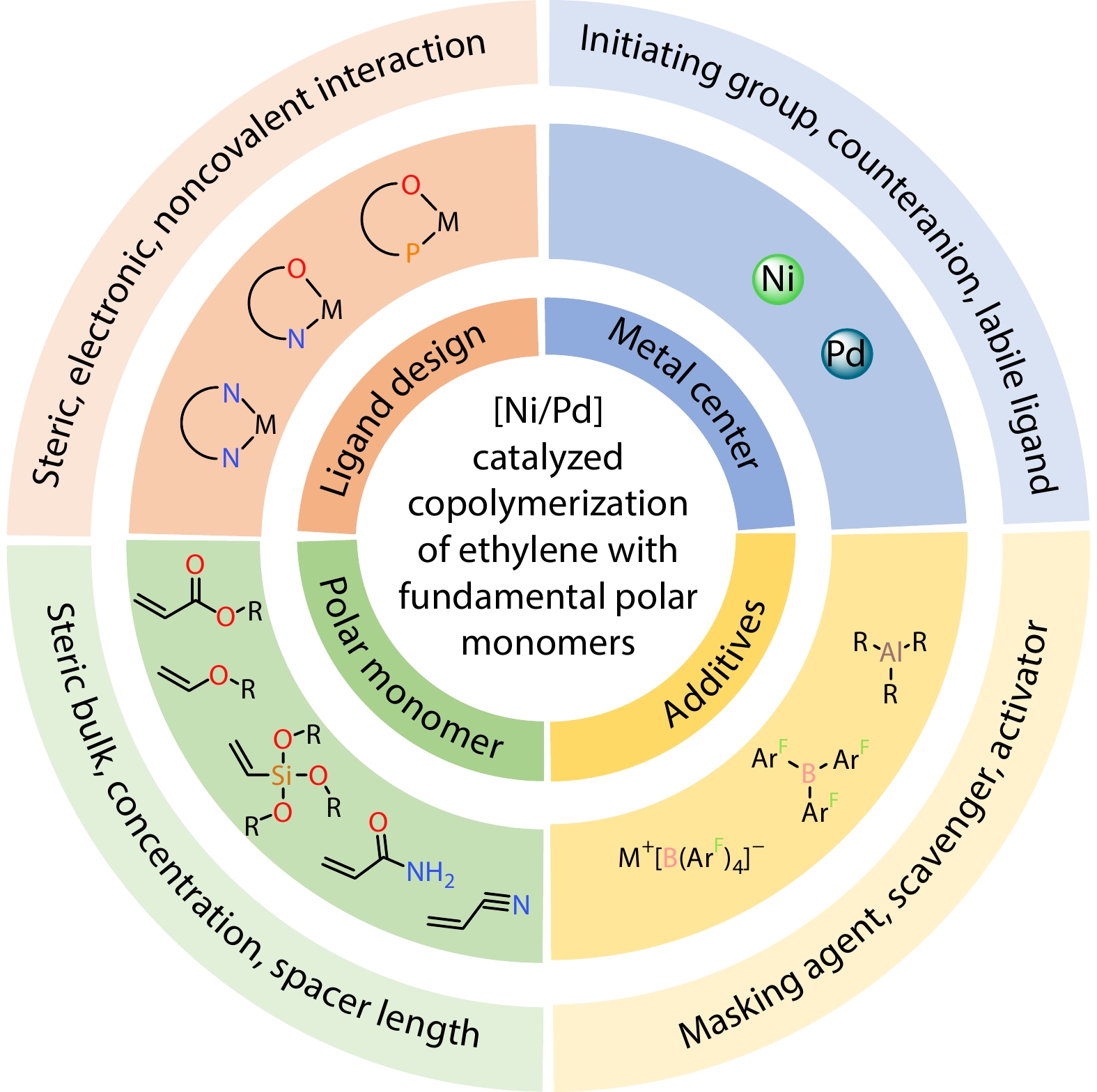
Coordination-insertion copolymerization of ethylene with polar vinyl monomers offers a direct route to functionalized polyolefins, enabling regular incorporation of polar groups under mild conditions and superior microstructural control compared with post-functionalization or radical routes. The persistent polar monomer problem—the tendency of polar groups to coordinate to or poison active metal sites—motivates the focus on late-transition-metal catalysts, chiefly Ni and Pd. Recent advances in ligand design, catalyst engineering, and monomer modification have improved comonomer incorporation, suppressed chain transfer, and enhanced thermal robustness. Mechanistic studies now resolve 2,1- versus 1,2-insertion, ligand-induced chelate isomerization, and polar-monomer-promoted chain-transfer pathways. This feature article surveys nickel- and palladium-based catalytic systems reported from 2020 onward for copolymerization of ethylene with fundamental polar monomers, with an emphasis on acrylates, while also covering acrylic acid, vinyl acetate, butyl vinyl ether, acrylonitrile, acrylamide, vinyl silyl ethers, and selected disubstituted monomers, categorizing recent advances by key ligand classes ([N,N], [N,O], [P,O]) and linking mechanism, selectivity, and polymer properties to guide catalyst design and scale-up.
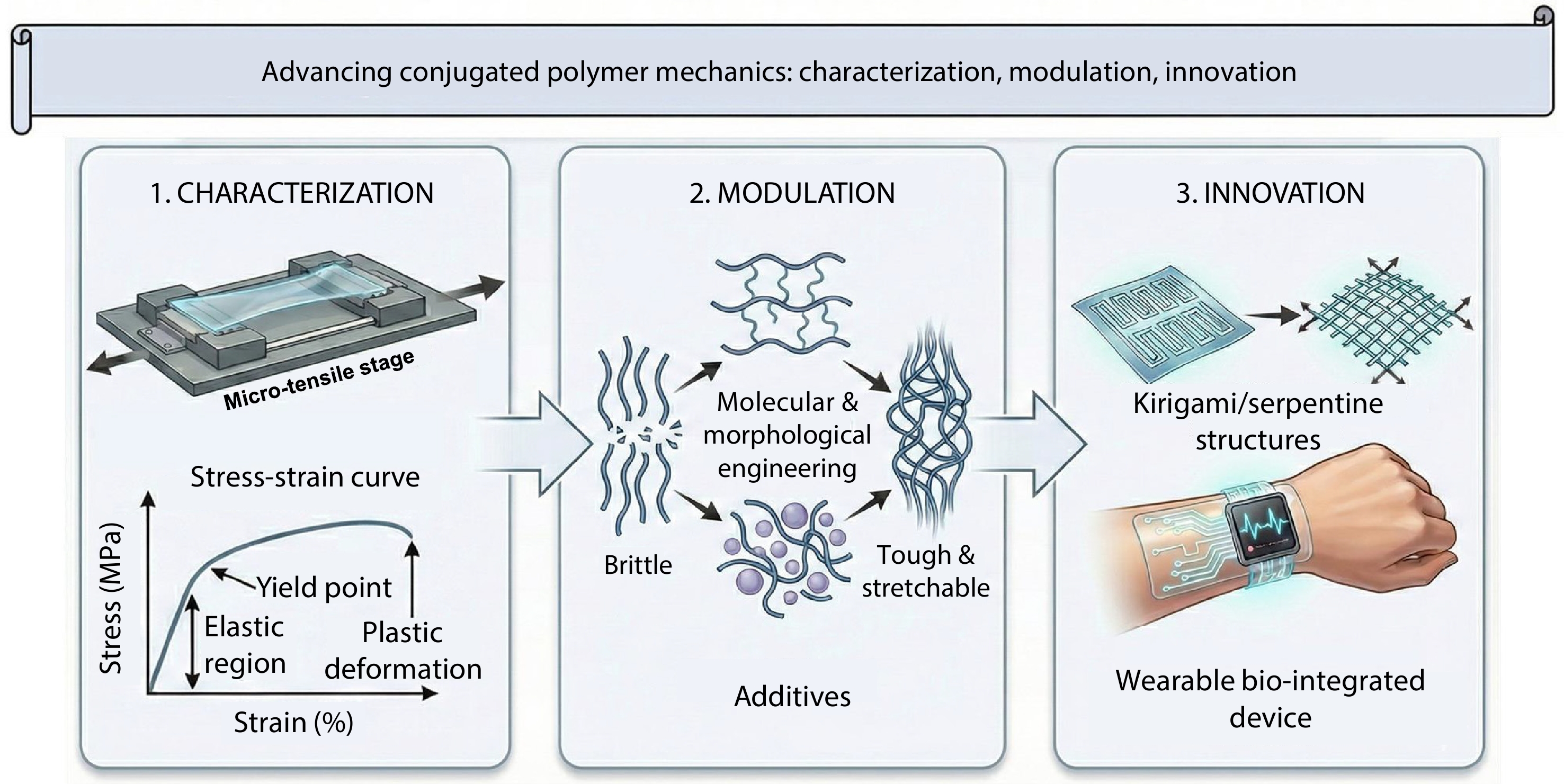
Conjugated polymer thin films are key functional layers in flexible and wearable devices, where mechanical behavior directly influences device performance and stability. However, accurate mechanical characterization remains challenging due to their nanoscale thickness and brittleness. This review aims to offer a holistic view on thin-film mechanics of conjugated polymers and systematically summarizes static and dynamic mechanical characterization methods for conjugated polymer thin films, spanning bulk materials, substrate-supported ultrathin films, and freestanding ultrathin films, and elucidates the measurement principles and key features of each technique. By integrating reported experimental results, we identify multiple factors affecting thin-film mechanical behavior. Finally, an outlook is presented in which, guided by device-level mechanical requirements, the mechanical behavior of polymer optoelectronic thin films is designed and regulated through multiple strategies, and comprehensively evaluated using complementary mechanical characterization approaches, enabling subsequent optimization based on the measured mechanical response.
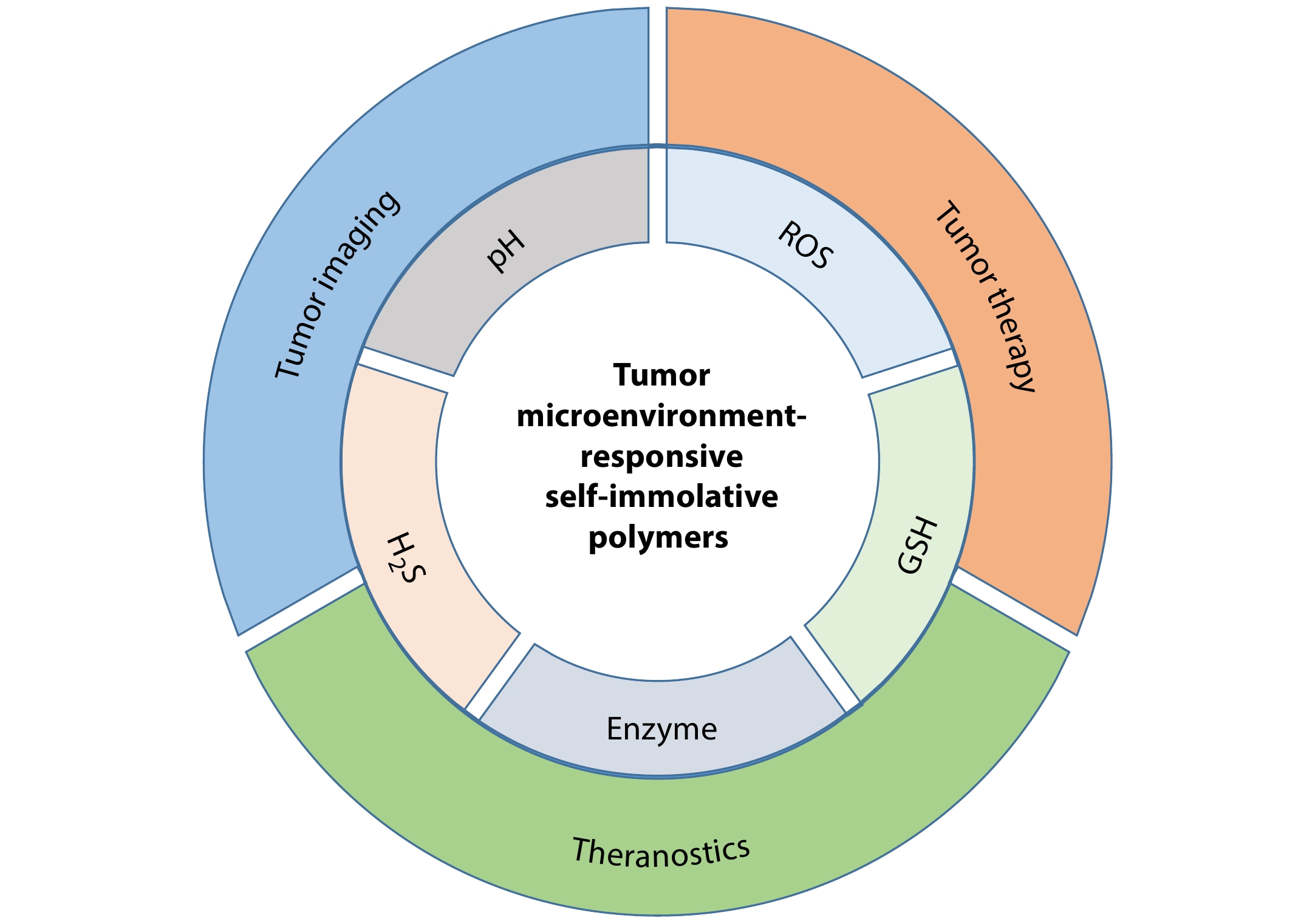
Self-immolative polymers (SIPs) have recently emerged as a distinct class of stimuli-responsive materials that undergo programmed domino-like degradation in response to specific biochemical triggers. The unique biochemical characteristics of the tumor microenvironment (TME) include acidic pH, elevated glutathione (GSH) levels, excessive reactive oxygen species (ROS), dysregulated enzymes, and hypoxia. TME-responsive SIPs have attracted significant attention for precise cancer imaging and therapy. By integrating labile linkages and modular structural design, these polymers can amplify weak biochemical signals into robust responses, enabling controlled drug release, signal amplification in imaging, and multifunctional theranostics. Compared with conventional responsive systems, SIP-based nanoplatforms offer enhanced sensitivity, tunable degradation kinetics, and the potential for sequential or cascade activation. In this review, we provide a comprehensive overview of the design principles, activation mechanisms, and functional applications of TME-responsive SIPs. We highlight representative strategies for their use in targeted drug delivery, tumor imaging, and synergistic therapeutic approaches and discuss the incorporation of emerging modalities such as near-infrared II (NIR-II) imaging and combination immunotherapy. Finally, we outline the major challenges and opportunities for advancing SIP-based nanomedicines for clinical translation and offer perspectives on how this rapidly evolving field may reshape the future of precision cancer diagnosis and treatment.
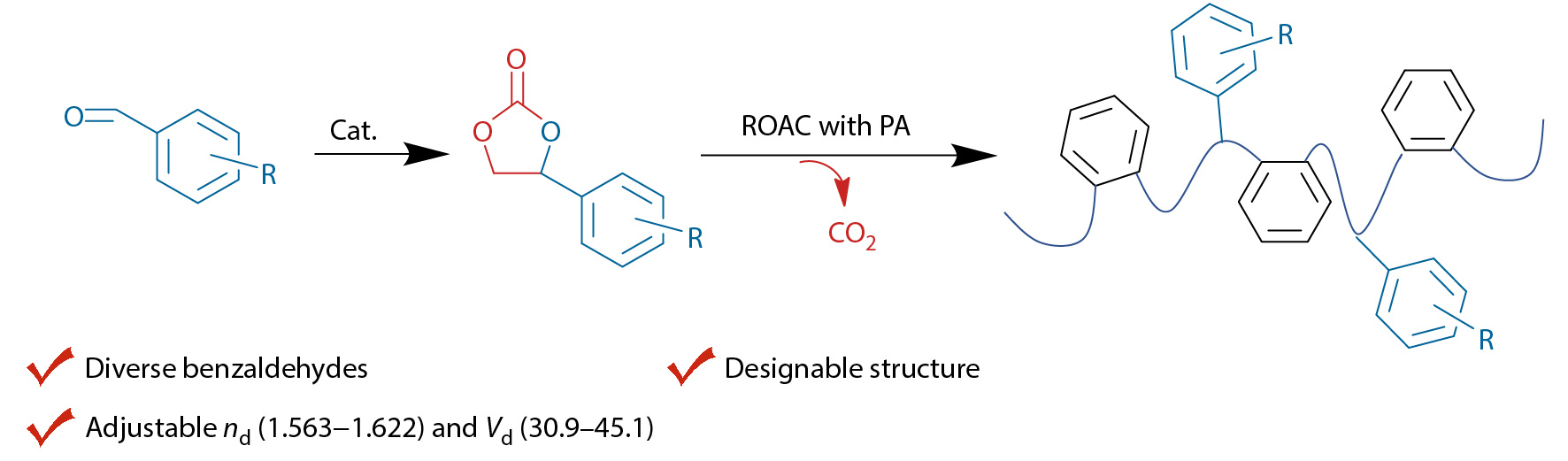
We report a platform-based approach for designing of aromatic polyesters with customizable optical properties. By employing a series of benzaldehyde-derived cyclic carbonate monomers, we performed ring-opening alternating copolymerization with phthalic anhydride to yield structurally regular polyesters featuring diverse substituents. All monomers underwent smooth copolymerization, producing polymers with controlled molecular weights (Mn=21–45 kDa) and narrow dispersity (Đ=1.04–1.28). Thermal analysis revealed decomposition temperatures above 280 °C and glass transition temperatures exceeding 90 °C, ensuring robust thermal stability. The resulting polyesters showed excellent visible-light transparency, with transmittance greater than 92% between 400–600 nm. Systematic modification of aromatic substituents enabled continuous tuning of refractive indices from 1.563 to 1.622, alongside Abbe numbers ranging from 30.9 to 45.1, highlighting the significant impact of electronic polarizability on optical performance. This work establishes a unified molecular design platform for creating high-performance optical polyesters with predictable and tunable refractive and dispersive properties.
The development of high-performance cathode interlayers (CILs) with low-lying highest occupied molecular orbital (HOMO) energy levels (EHOMO), capable of effectively suppressing dark current, is crucial for advancing organic photodetectors (OPDs). Herein, we report the first design of alcohol-soluble n-type conjugated polymers based on the boron-nitrogen coordination bond (B←N) unit, serving as CILs for high-performance OPDs. Benefiting from the strong electron-withdrawing capability of the B←N unit and the acceptor-acceptor (A-A) backbone, the polymer simultaneously achieves an EHOMO of –5.88 eV and a high electrical conductivity of 1.36×10⁻⁶ S·cm−1. An ultralow dark current density of 1.66×10⁻⁹ A·cm−2 under –1 V bias was achieved in OPDs incorporating this CIL, which is one order of magnitude lower than that of devices with the state-of-the-art CIL, resulting in a specific detectivity (D*) of up to 1.86×10¹² Jones in the near-infrared (NIR) region. To the best of our knowledge, this work represents the first report on B←N-unit-based n-type polymers as CILs for OPDs, providing a novel paradigm for designing next-generation ultra-low-noise optoelectronic devices.
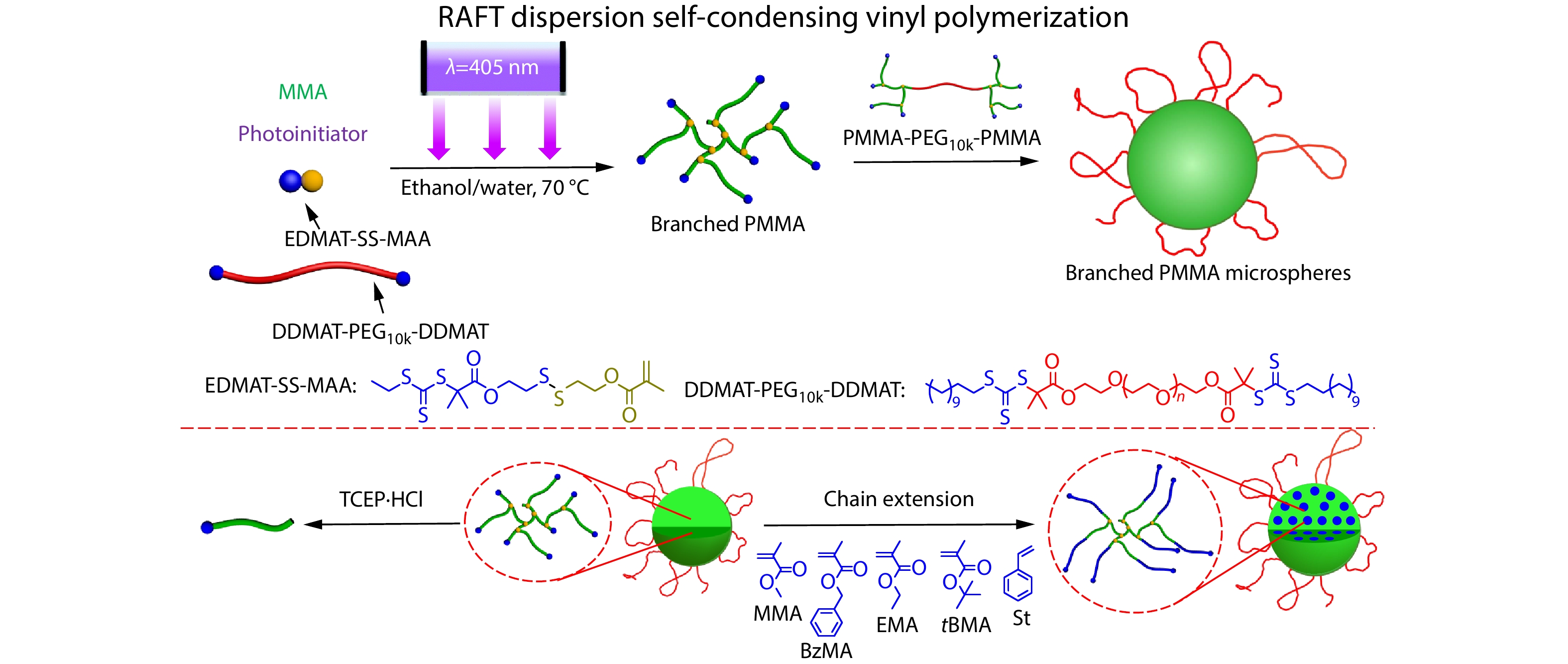
We report a reversible addition-fragmentation chain transfer (RAFT) dispersion self-condensing vinyl polymerization (SCVP) platform using a chain-transfer monomer (CTM) and macro-RAFT agent for the one-pot synthesis of monodisperse microspheres composed of well-defined branched (multi)block copolymers. Under RAFT dispersion polymerization conditions, the CTM functions as both a comonomer and branching RAFT site, affording polymer microspheres containing branched polymers while maintaining narrow particle size distributions. The preserved RAFT end-groups on the branches enabled seeded chain extension to give branched diblock and multiblock copolymer microspheres with methyl methacrylate (MMA) and a range of second monomers, while retaining microsphere monodispersity. Using styrene (St) as the second monomer yielded nanostructured branched PMMA-b-PSt microspheres, whose internal morphologies underwent a sphere-to-cylinder transition as the branching degree in the PMMA block was decreased at a fixed composition. These results establish the branching degree in the branched block as an effective parameter to manipulate intraparticle phase behavior and demonstrate RAFT dispersion SCVP as a scalable route to sequence-controlled, topologically complex polymer microspheres with tunable internal nanostructures.
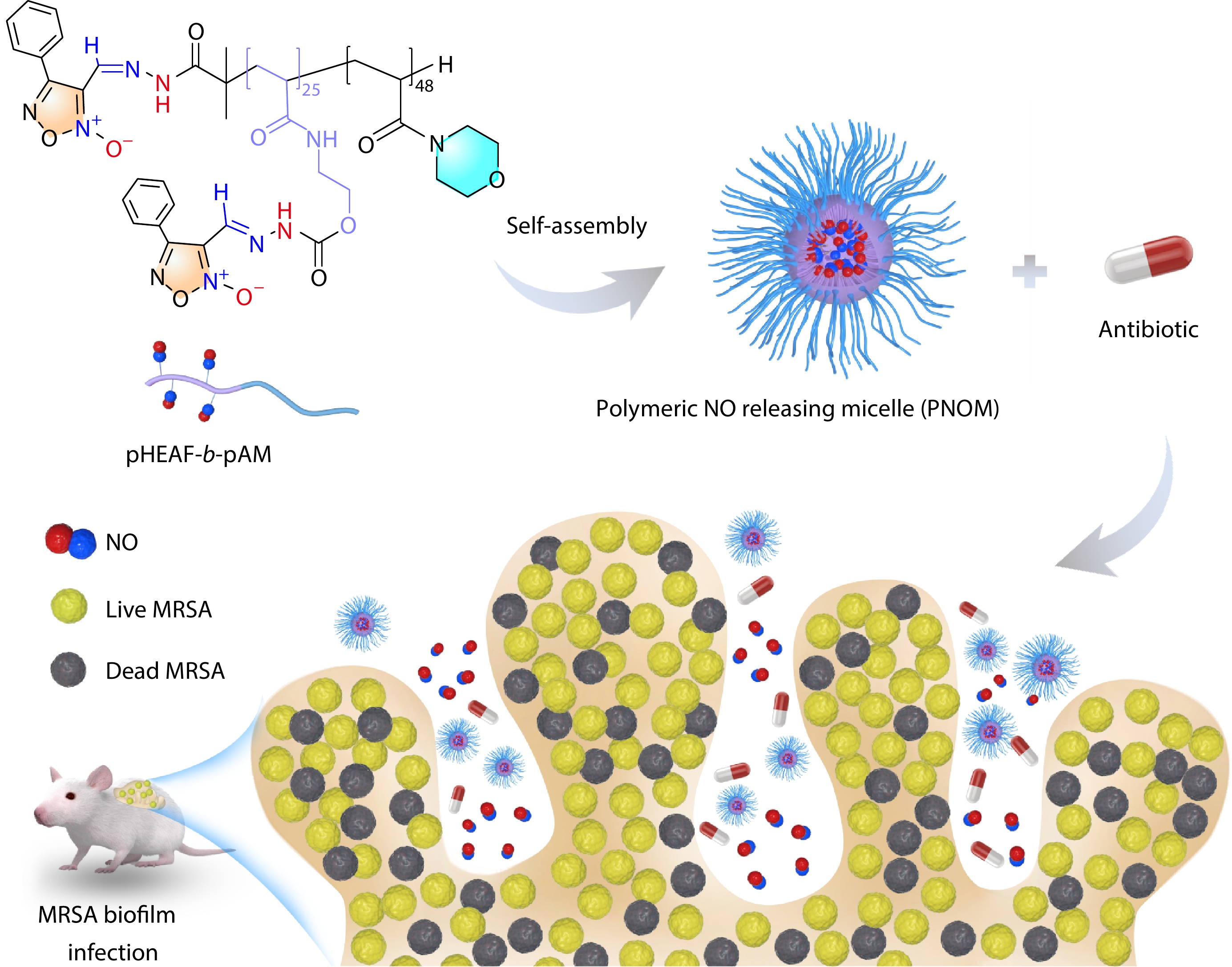
Biofilm infections pose a severe threat to global public health owing to their persistent and recalcitrant nature. The physical barrier formed by the biofilm impedes the penetration of antimicrobial agents, leading to a significantly reduced efficacy of conventional antibiotics. Herein, we developed a polymeric micelle system that responds to the biofilm microenvironment to release nitric oxide (NO), which is capable of disrupting biofilms, thereby enhancing the bactericidal efficacy of antibiotics against embedded bacteria. The hydrophobic small-molecule NO donor was first conjugated to a diblock copolymer composed of N-hydroxyethyl acrylamide and N-acryloyl morpholine to yield an amphiphilic diblock copolymer. This amphiphilic copolymer then self-assembles into polymeric NO-releasing micelles (PNOM). Upon exposure to thiol-containing molecules in the reducing biofilm microenvironment, PNOM responsively released NO in a sustained manner over several days. In vitro studies have demonstrated that PNOM significantly potentiated the anti-biofilm efficacy of levofloxacin (Lev) against methicillin-resistant Staphylococcus aureus (MRSA). The combination of PNOM and Lev dispersed 85.3% of the biofilm biomass and eradicated 98.8% of the embedded bacteria. Moreover, in a murine model of implant-associated MRSA biofilm infection, PNOM was validated to enhance the antibiofilm efficacy of Lev in vivo, achieving a bactericidal rate of 93.9 % for MRSA biofilms and significantly alleviating inflammation. In summary, we designed a polymeric micelle system that triggers NO release in response to a thiol-rich biofilm microenvironment, thereby disrupting biofilm formation and enhancing the antibiofilm effect of antibiotics against MRSA. This approach represents a promising therapeutic strategy for treating stubborn biofilm-associated infections.
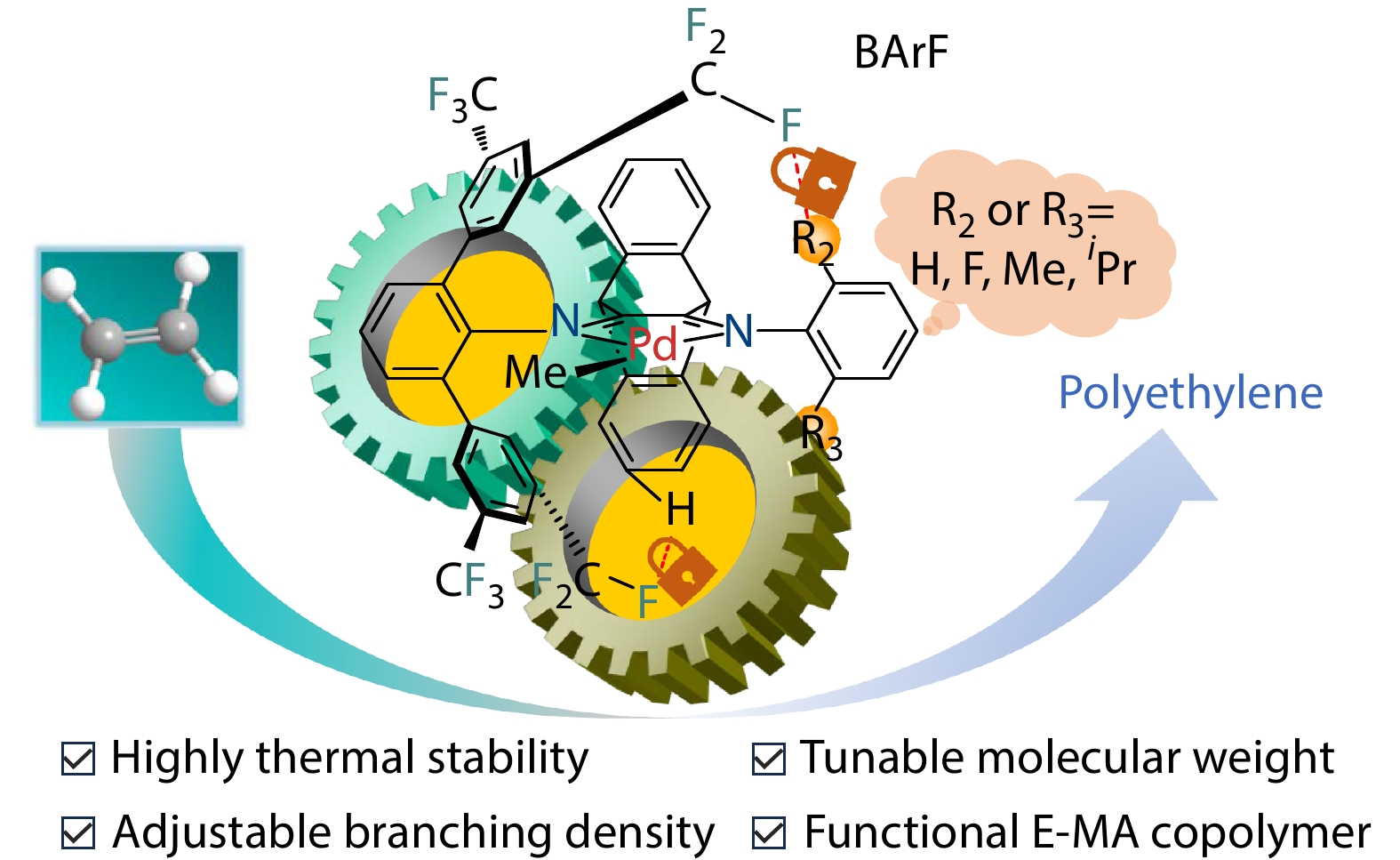
Developing highly thermostable catalytic systems remains a central objective in the field of late-transition-metal olefin polymerization. In this work, we report a new series of α-diimine Pd(II) catalysts that exhibit remarkable thermal resistance in ethylene polymerization (up to 100 °C). With the aid of concerted effects of both steric blockage and intra-ligand C―H···F hydrogen bonding linkage, conformational rotation of the N-aryl groups is substantially restricted, thereby imparting exceptional thermostability to these α-diimine Pd(II) precatalysts. By tuning the chain-walking degrees through the steric influence of ortho-substituent of N-phenyl substituents or by adjusting the polymerization temperature, the branching density of the resulting polyethylenes can be finely modulated from moderately branched to hyperbranched structures (72.7–142.1/1000C). More unexpectedly, these highly thermally robust unsymmetrical α-diimine Pd(II) complexes, stabilized by intra-ligand C―H···F hydrogen bonding, are capable of producing polyethylenes with widely adjustable molecular weights, ranging from oligomers to high-molecular-weight polymers (Mn=0.6×10³–87.2×10³ g/mol). Furthermore, ethylene/methylacrylate (E/MA) copolymers were also successfully obtained using these catalysts, achieving MA incorporation levels of up to 4.7%.
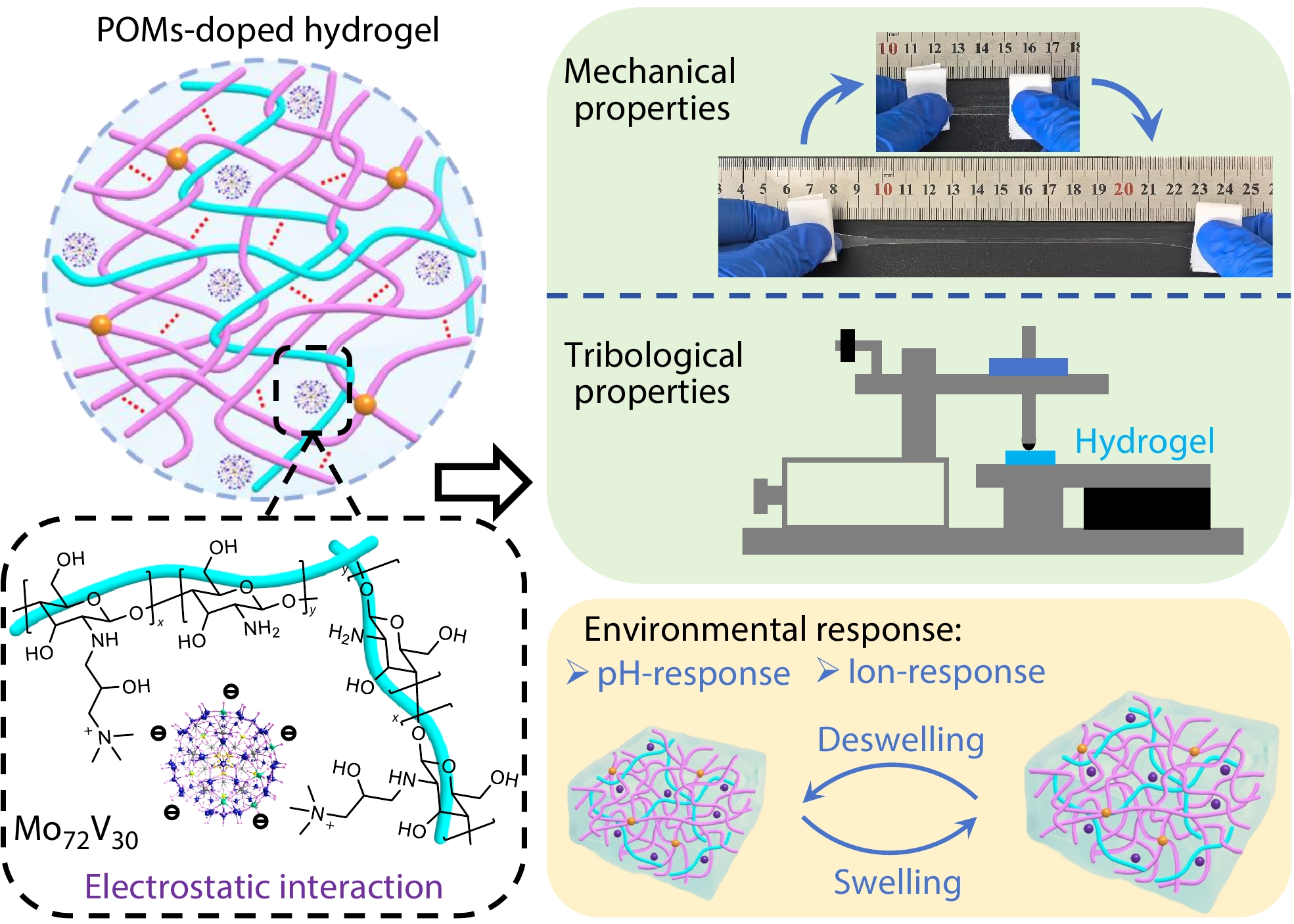
Combining nanomaterials with the three-dimensional hydrophilic network of hydrogels is an effective strategy for creating smart materials with enhanced mechanical properties and advanced functionalities. Herein, chitosan quaternary ammonium/polyacrylamide (QP) hydrogels with interpenetrating networks were prepared via an in situ method based on chain entanglement, in which polyoxometalate (POM) nanoparticles were introduced as physical crosslinking agents. This incorporation of POMs significantly improved the overall mechanical properties of the hydrogels, endowing them with high fracture energy, low hysteresis, and outstanding resilience under high water content (>90%). Owing to the strong water molecule adsorption capacity of POMs and their homogeneous and dense distribution as physical crosslinking points in the hydrogel structure, the friction coefficient was significantly reduced. Furthermore, the hydrogels exhibited good biocompatibility as well as pH- and ion-responsive behavior, while maintaining structural stability under varying external stimuli. Notably, the swelling ratio increased in high-concentration salt solutions, making them promising for applications in controlled drug release, intelligent monitoring, and especially in seawater desalination treatment.
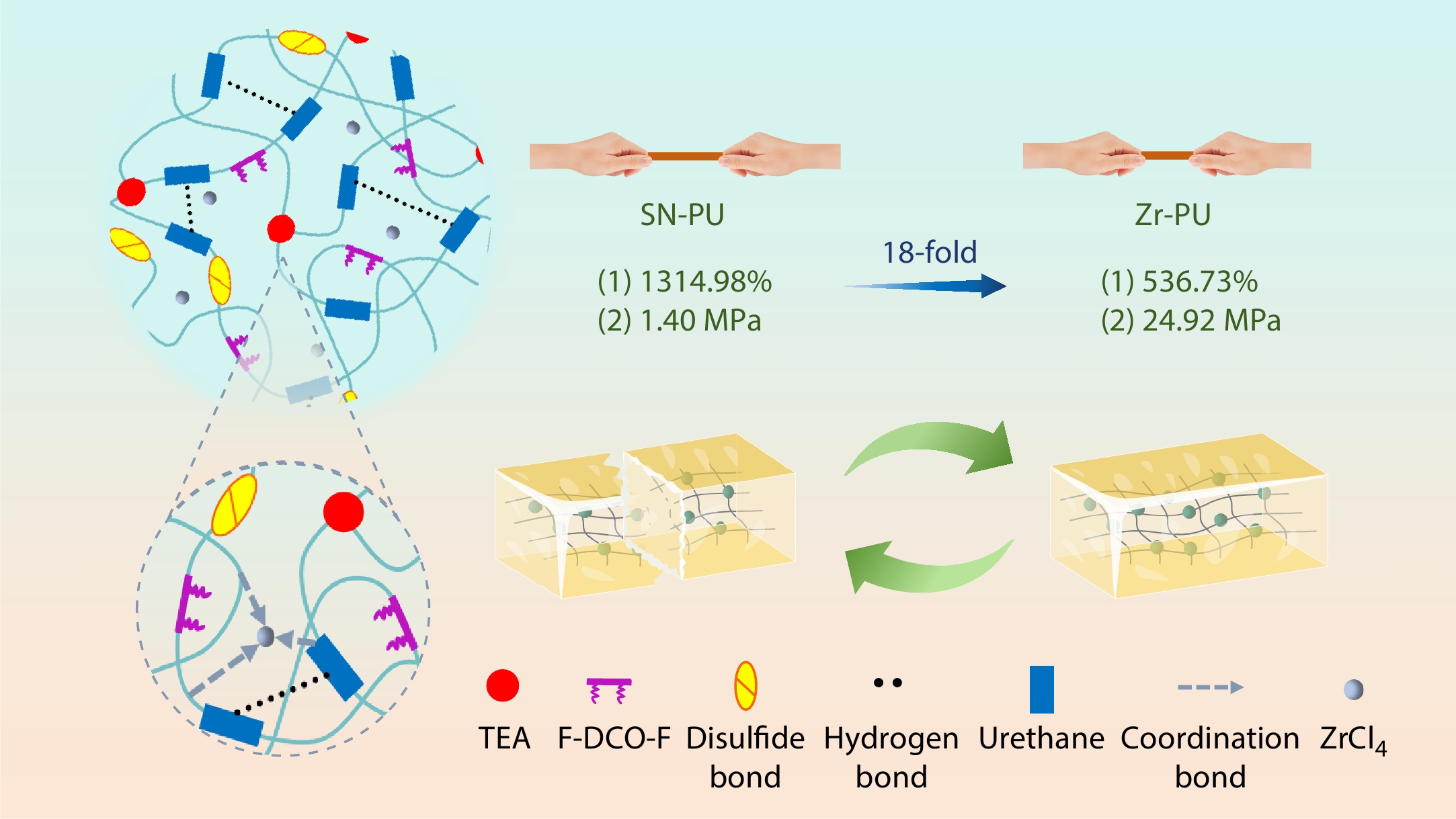
High-performance adhesives integrating high mechanical toughness, excellent environmental durability, and self-healing capability exhibit broad application potential. Herein, leveraging the excellent stress dissipation capability of multiple dynamic bonds, a self-healing fluorine-containing polyurethane (PU) adhesive with significantly enhanced toughness was designed by incorporating dynamic aromatic disulfide bonds and metal-coordination interactions. The incorporation of disulfide bonds endows the PU adhesive (named as SN-PU) with efficient low-temperature self-healing performance, while the fluorine-containing side chains confer enhanced resistance to harsh environments. The SN-PU adhesive exhibited a tensile strength of 1.39 MPa, an elongation at break of 1300%, and a self-healing efficiency of 99.3% at 50 °C for 4 h, along with excellent recyclability via solvent-assisted casting molding. More importantly, further introduction of interchain Zr4+ coordination bonds into the SN-PU adhesive (named as Zr-PU) yields a maximum tensile strength of 24.92 MPa, approximately an 18-fold enhancement compared to the SN-PU adhesive. Meanwhile, the lap shear strengths of the SN-PU adhesive on various substrates, including steel plates, aluminum plates, epoxy-based composite plates, and polyamide, were significantly enhanced from 3.45, 2.65, 3.72, and 1.26 MPa to 5.60, 5.66, 4.03, and 3.51 MPa, respectively, for the Zr-PU system. This strategy of tailoring molecular chain structures and intermolecular interactions to enhance the strength, toughness, and reusability of adhesives offers a facile approach for the development of high-performance adhesive materials.
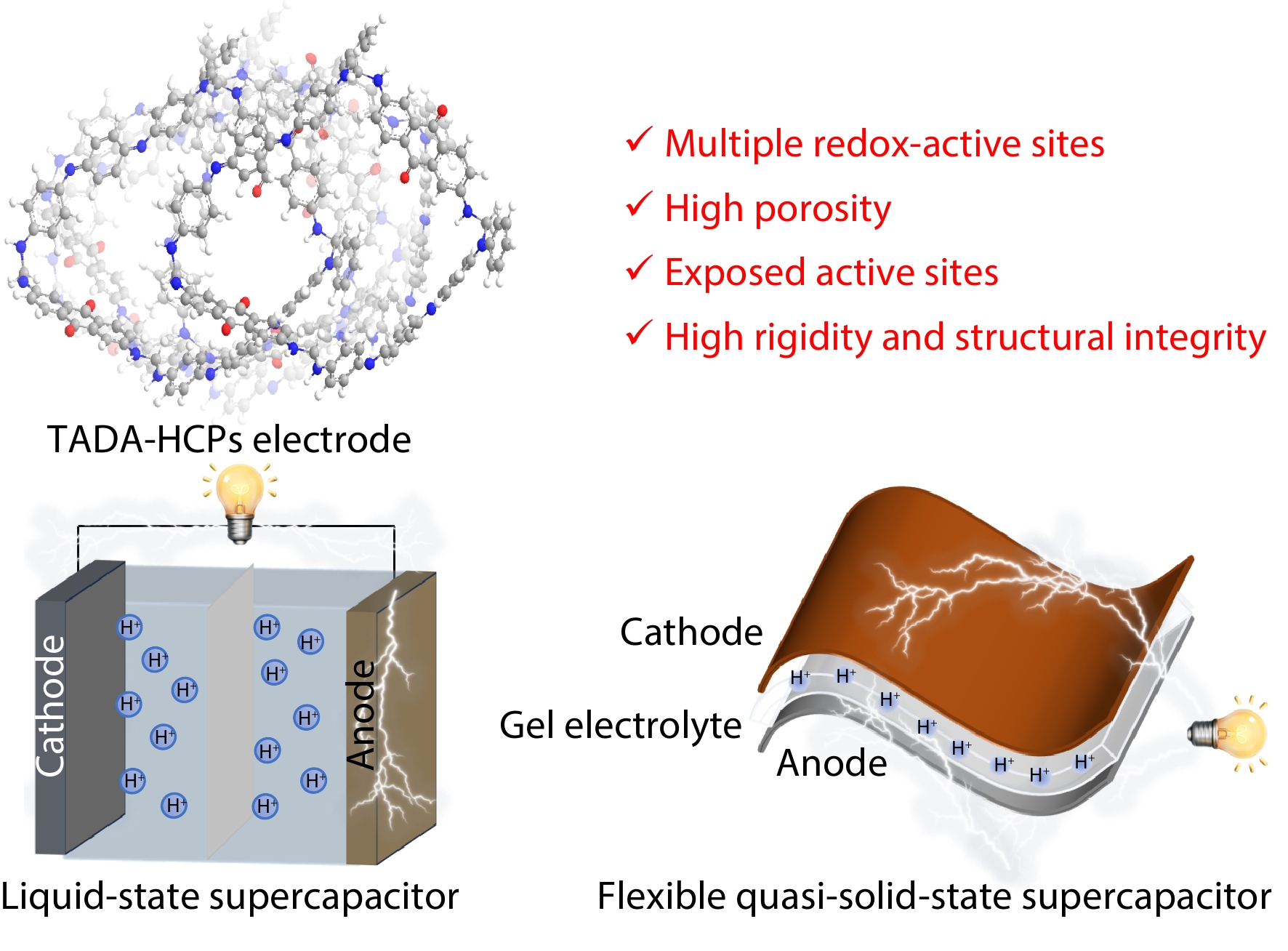
Hypercrosslinked polymers (HCPs) are promising electrode materials for supercapacitors owing to their rigid three-dimensional networks and excellent structural stability; however, their electrochemical performance is often limited by an over-reliance on electric double-layer capacitance or insufficient redox-active sites. Herein, we report a series of hypercrosslinked polymers (HCPs) constructed from tetraaniline (TANI) and 2,6-diaminoanthraquinone (DAQ) to integrate abundant redox-active sites with robust three-dimensional porous networks for high-capacitance and long-life supercapacitor electrodes. By tuning the TANI-to-DAQ molar ratio, the optimized TADA11-HCP exhibits a hierarchical micro-/mesoporous architecture for exposed active sites and facilitated mass diffusion, along with the lowest optical bandgap (acid-treated) among the series for fast electron transport. Benefiting from the combined advantages of structural strength, hierarchical porosity, and an optimized electronic structure, TADA11-HCP achieves 700 F·g−1 at 1 A·g−1 and retains 92% capacitance after 10000 cycles, demonstrating excellent cycling stability. A flexible quasi-solid-state symmetric supercapacitor further demonstrates 278.4 F·g−1 and an energy density of 38.7 Wh·kg−1, highlighting the practical potential of TADA-HCPs for advanced supercapacitor applications. This work demonstrates an effective molecular-level strategy to enhance the capacitance of HCP-based electrodes while maintaining long-term stability, providing insights into the rational design of high-performance HCPs for supercapacitor applications.
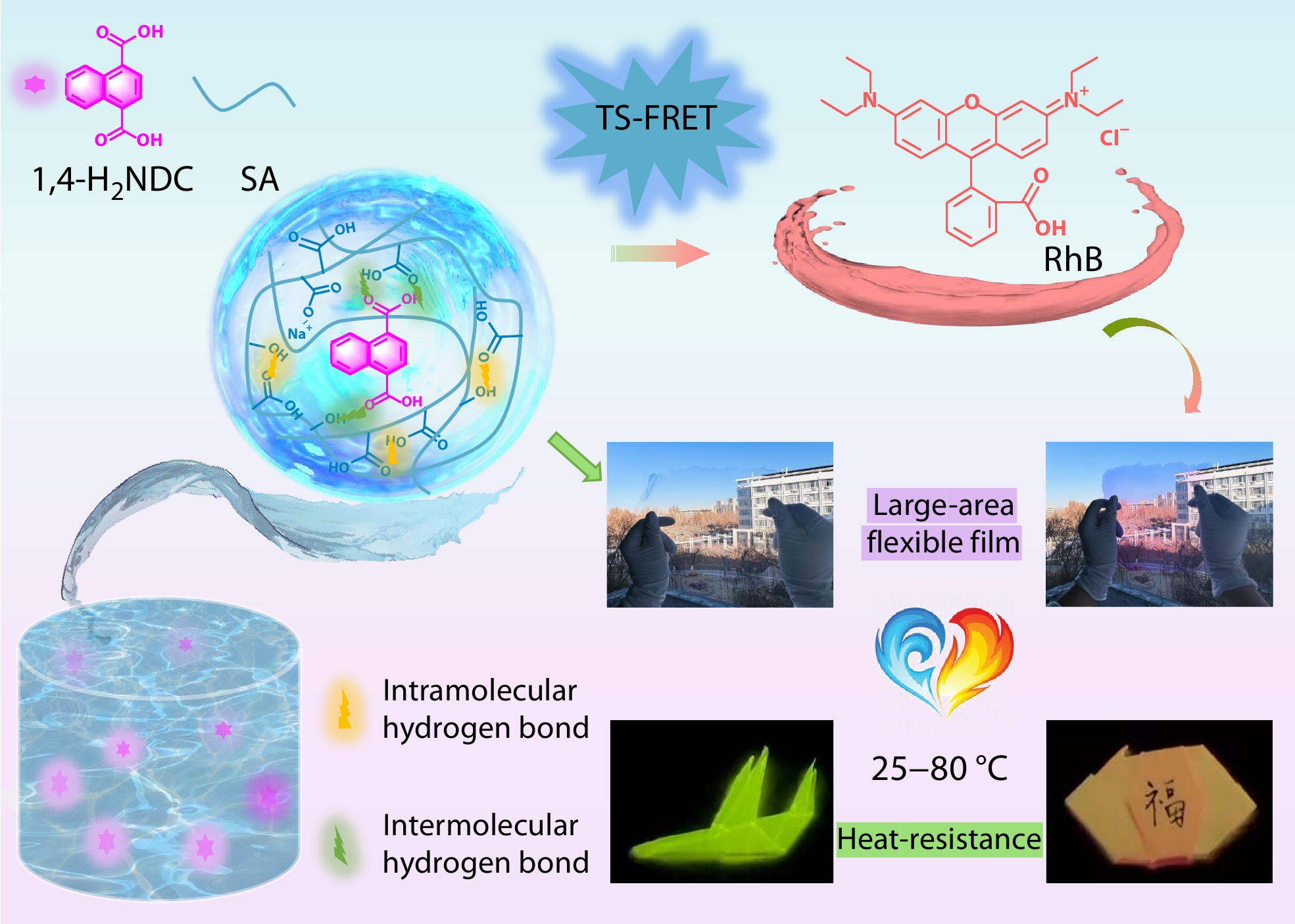
Room/high-temperature phosphorescence materials have broad application prospects in advanced anti-counterfeiting, flexible displays, and wearable electronic devices. In this study, sodium alginate (SA)-based room/high-temperature phosphorescence materials with multicolor luminescence were prepared by doping 1,4-naphthalenedicarboxylic acid (1,4-H2NDC) and the fluorescent dye rhodamine B (RhB) into the SA matrix. The SA-1,4-H2NDC system exhibited a yellow-green afterglow lasting 4 s, with an ultralong phosphorescence lifetime of 358 ms under ambient conditions. The ternary system SA-1,4-H2NDC-RhB was constructed using SA-1,4-H2NDC as the energy donor and RhB as the energy acceptor, and phosphorescence emission in the long-wavelength region was achieved. SA-1,4-H2NDC-RhB showed concentration- and time-dependent afterglow color tunability via triplet-to-singlet Förster resonance energy transfer. Notably, the phosphorescences of SA-1,4-H2NDC and SA-1,4-H2NDC-RhB both exhibited heat resistance in the temperature range of 25−80 °C. Large-area flexible SA-1,4-H2NDC and SA-1,4-H2NDC-RhB films were conveniently fabricated using the solution-blending-coating-drying process. Owing to their excellent mechanical and optical properties, flexible SA-1,4-H2NDC and SA-1,4-H2NDC-RhB films were successfully applied in flexible displays and information encryption.
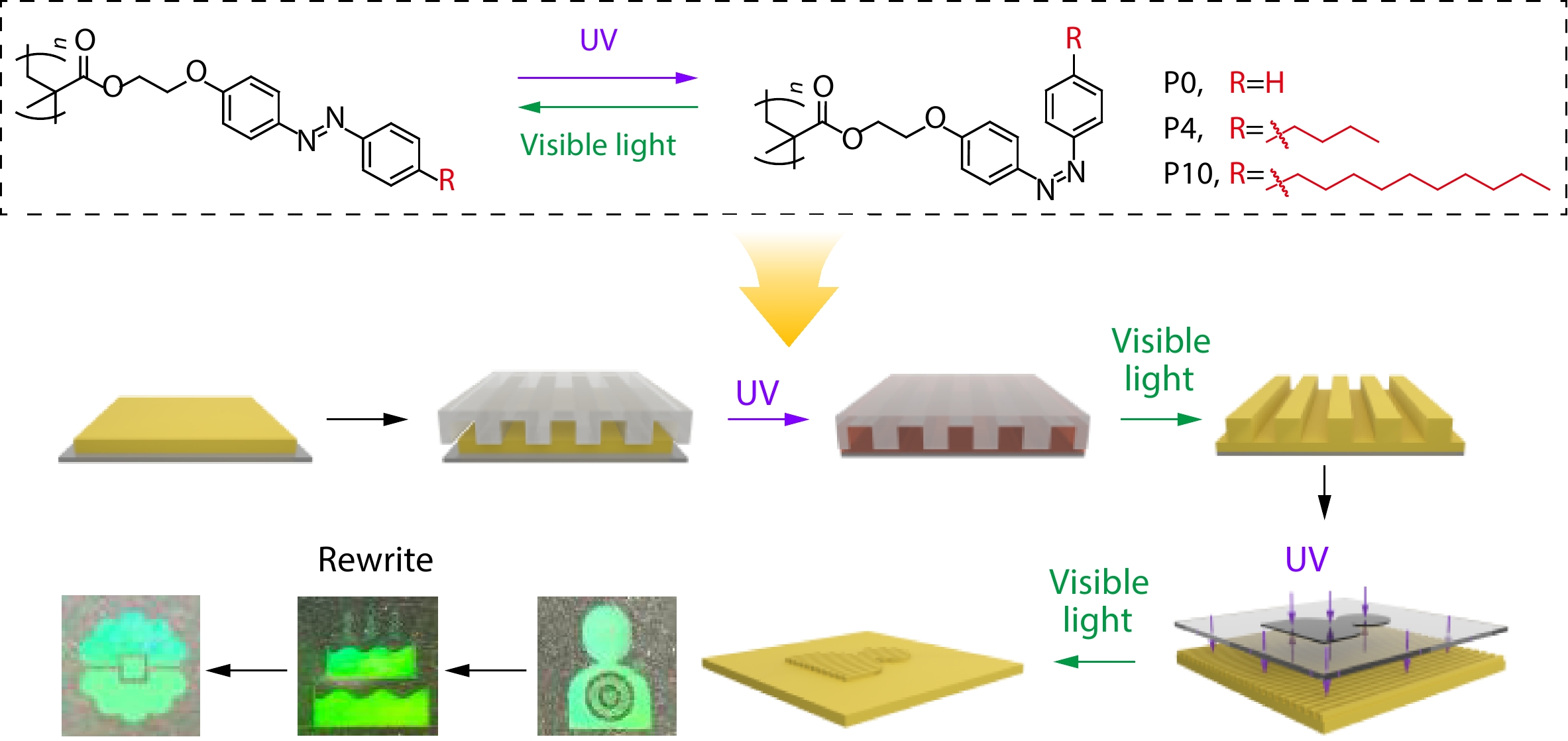
Azobenzene-containing polymers (azopolymers) exhibit photoinduced reversible solid-to-liquid transitions, enabling unique light-assisted nanoimprint lithography (NIL). Cis azopolymers possess sub-room-temperature glass transition temperatures (Tg), exhibiting liquid-like behavior for flow processing, while trans azopolymers feature above-room-temperature Tg values that enable solid-state shape fixation. Although many side-chain azopolymers demonstrate photoswitchable Tgs, conventional short-spacer derivatives show negligible switching in Tg as their cis isomers remain solid. This work overcomes this limitation in ethylene-spacer azopolymers through extended alkyl tails. We synthesized tailless (P0), n-butyl-tailed (P4), and n-decyl-tailed (P10) derivatives, revealing that only P10 exhibits a cis Tg near room temperature (22 °C) and an amplified ΔTg between its cis isomer and trans isomer. P10 with photoswitchable Tgs enables complete nanostructure replication as a nanoimprint lithography photoresist. This work demonstrates that long alkyl tails counteract short-spacer limitations, effectively reducing the Tg of cis azopolymers and establishing a design principle for nanoimprint photoresists with photoswitchable Tgs.
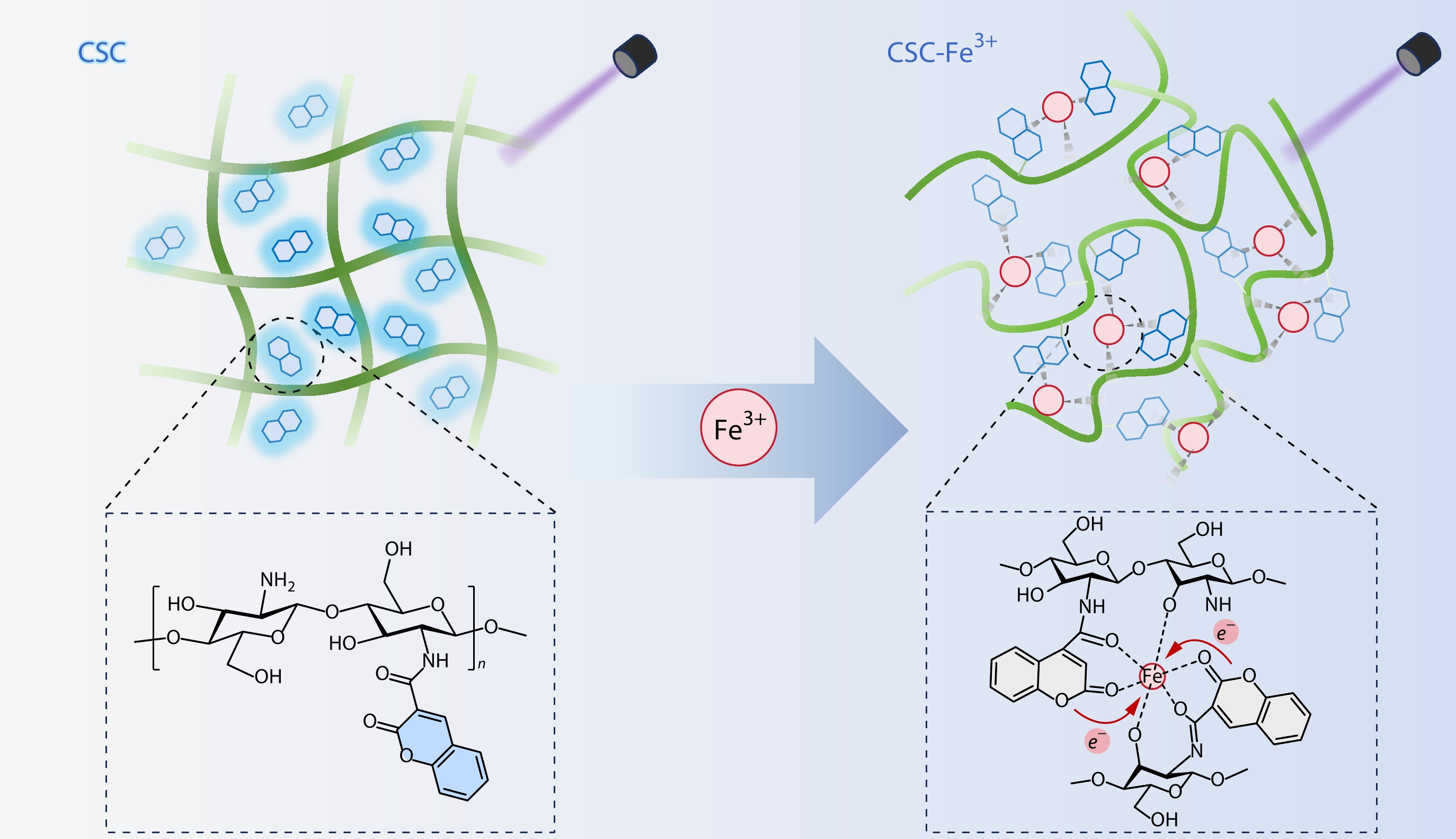
In this work, a novel polymeric fluorescent probe, chitosan grafting coumarin-3-carboxylic acid (CSC) was designed and synthesized by a one-step condensation in solution. The probe exhibited dual functionality, serving as a highly selective sensor for Fe3+ and demonstrating intrinsic antibacterial activity. Coumarin modification imparts unique morphological characteristics and enhances water solubility in chitosan. The CSC probe demonstrated blue fluorescence quenching upon Fe3+ addition, and the presence of multiple binding sites for Fe3+ on the chitosan chains endowed CSC with rapid recognition capability (within 30 s) and high sensitivity detection limit (2.58 μmol/L). The ultrafast and specific detection of Fe3+ was attributed to the dual-lock coordination cage formed between the abundant hydroxyl groups of chitosan and the carbonyl group of coumarin. Fluorescence quenching primarily originates from the fast formation of complexes via effective orbital overlap and excited-state electron transfer from the fluorophore to Fe3+. Its good photostability and acceptable reusability confirm its potential for practical and cost-effective sensing applications. The CSC probe was successfully applied for the quantitative detection of Fe3+ in real water samples and the study of effective antibacterial activity. This work presents a multifunctional platform that combines sensitive metal ion sensing with antimicrobial properties, which holds significant promise for environmental monitoring and biomedical applications.
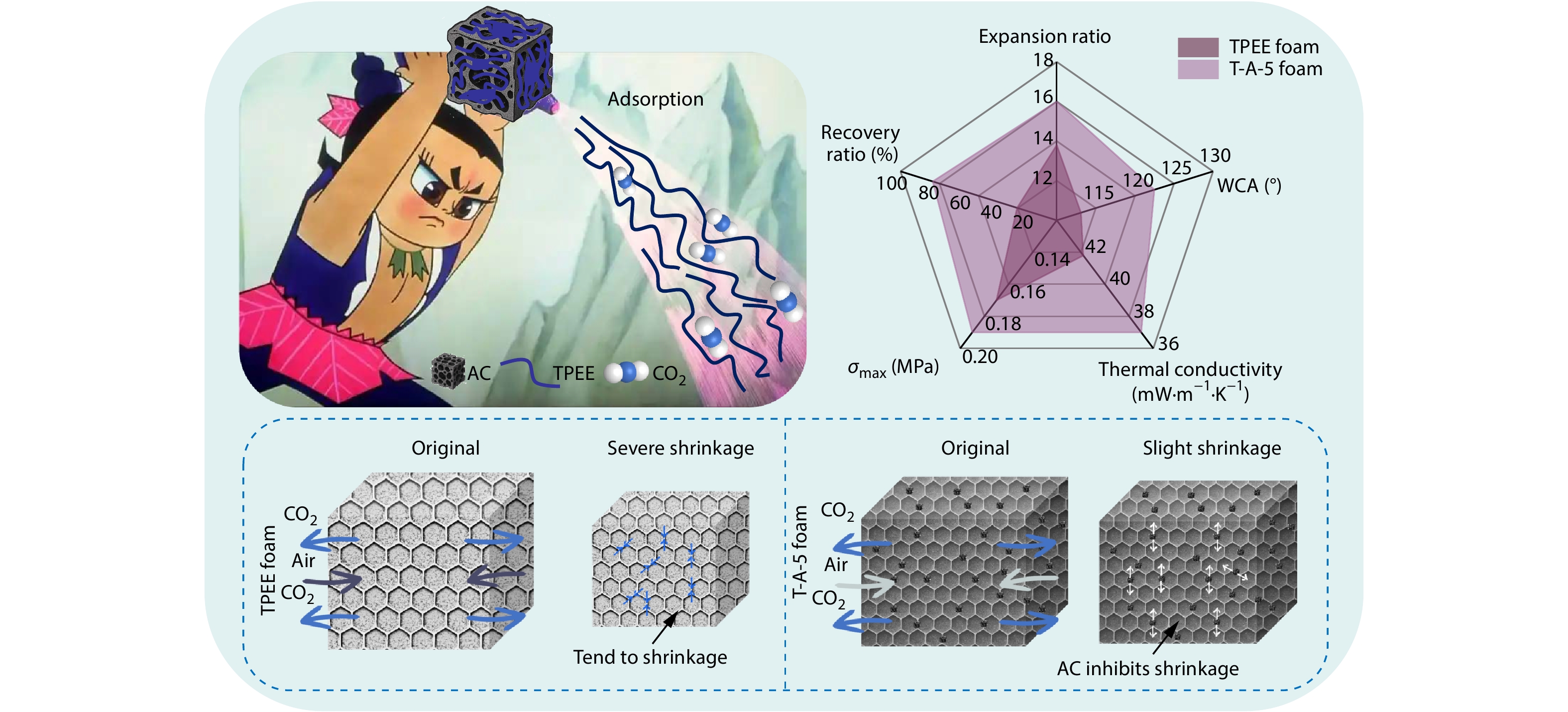
Lightweight materials are essential for advanced green manufacturing and ecological sustainability because they reduce energy consumption, minimize pollution, and improve resource utilization. Herein, a reinforcement strategy utilizing activated carbon (AC) as a functional filler to enhance the foaming behavior of thermoplastic polyester elastomer (TPEE) was developed, enabling the successful fabrication of lightweight, high-strength, and elastic TPEE/AC foams with superior hydrophobic and thermally insulating performance using environmentally friendly microcellular foaming technology. The uniform dispersion of AC enhanced the melt strength and the solubility of CO2, thereby significantly improving the foaming behavior, resulting in refined cell structures and reduced shrinkage. The optimized T-A-5 foam achieved a high expansion ratio (16.0), low shrinkage ratio (70.0%), and high recovery ratio (79.4%), outperforming the pure TPEE foam by 15.9%, 12.3%, and 212.6%, respectively. Moreover, the viscoelastic properties of TPEE/AC composites tested under two different conditions revealed contrasting trends in loss factor, indicating that the influence of fillers on TPEE viscoelasticity is highly temperature-dependent and state-sensitive. Further, the lightness and blackness of TPEE/AC foams can be tailored by varying AC content and cellular morphology. Moreover, the TPEE/AC foams exhibited improved compressive strength, low thermal conductivity (35.9 mW·m–1·K–1), and high hydrophobicity (122.5°). This study provides an effective strategy for designing high-performance TPEE foams with significant potential for energy-saving and environment-friendly applications.
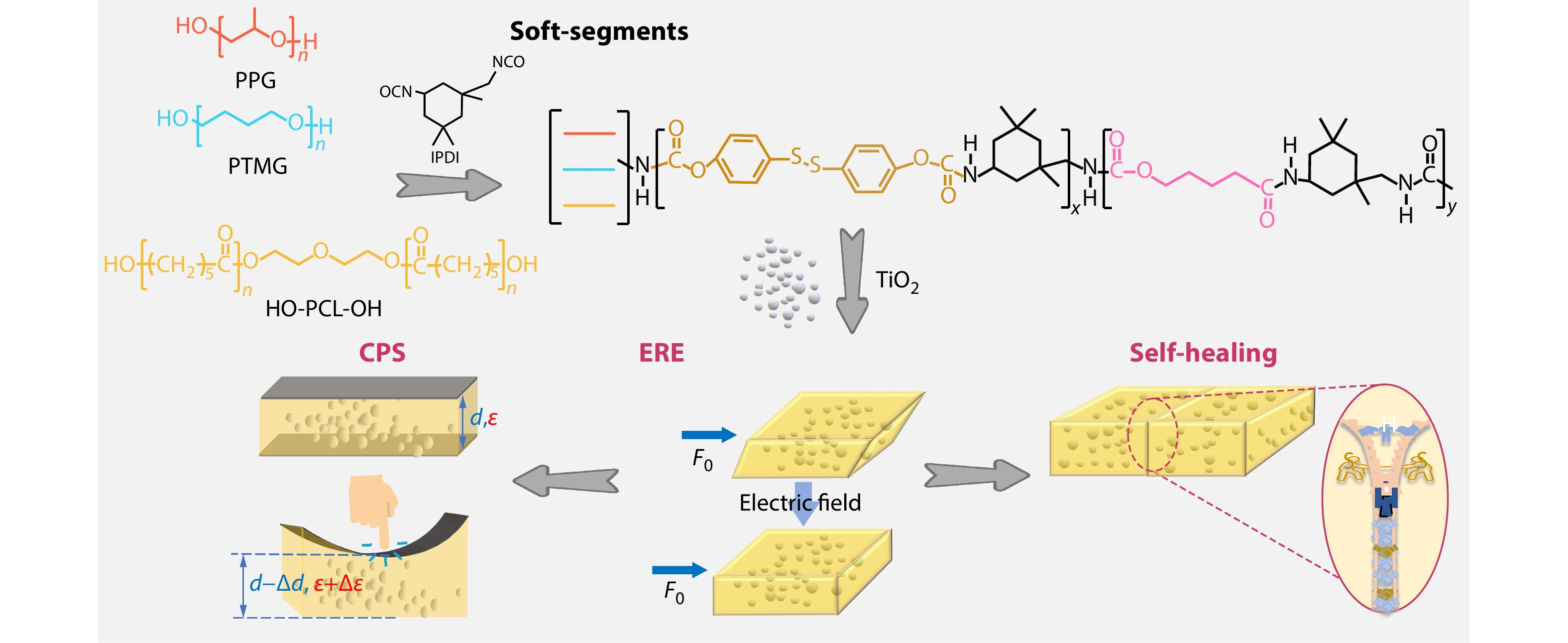
Polyurethane (PU) holds promise as a matrix for electrorheological elastomers (EREs) because of its excellent mechanical properties; however, its high modulus often limits electrorheological (ER) efficiency. This study addresses this by tailoring the soft-segment architecture of PU to adjust its mechanical and dielectric properties, thus improving the ER response of the PU-based ERE. Dynamic covalent bonds have also been introduced to enable self-healing. Using poly(propylene glycol) (PPG), poly(tetramethylene glycol) (PTMG), and polycaprolactone (PCL) as the soft segments, we fabricated EREs with 20 wt% TiO2. The resulting PPG-ERE exhibited an outstanding ER effect of 229.4% at 3 kV/mm, along with a high stretchability (1835% elongation) and tensile strength of 3.6 MPa. PTMG-ERE has the highest storage modulus of 1.43 MPa at 3 kV/mm and a relatively high tensile strength of up to 6.5 MPa, which is attributed to enhanced hydrogen bonding interactions among the regular PTMG segments. The PCL-ERE with the highest Young’s modulus resulted in the lowest ER efficiency of 48% because of its high crystallization tendency. The PPG-ERE also demonstrated efficient self-healing, recovering 79% of its mechanical strength after 12 h at room temperature. When applied in a capacitive pressure sensor, the PPG-ERE showed a fast response (220 ms) and recovery (90 ms), detecting forces as low as 3 N. This study provides a practical strategy for designing high-performance multifunctional EREs through soft-segment engineering and dynamic bonding.
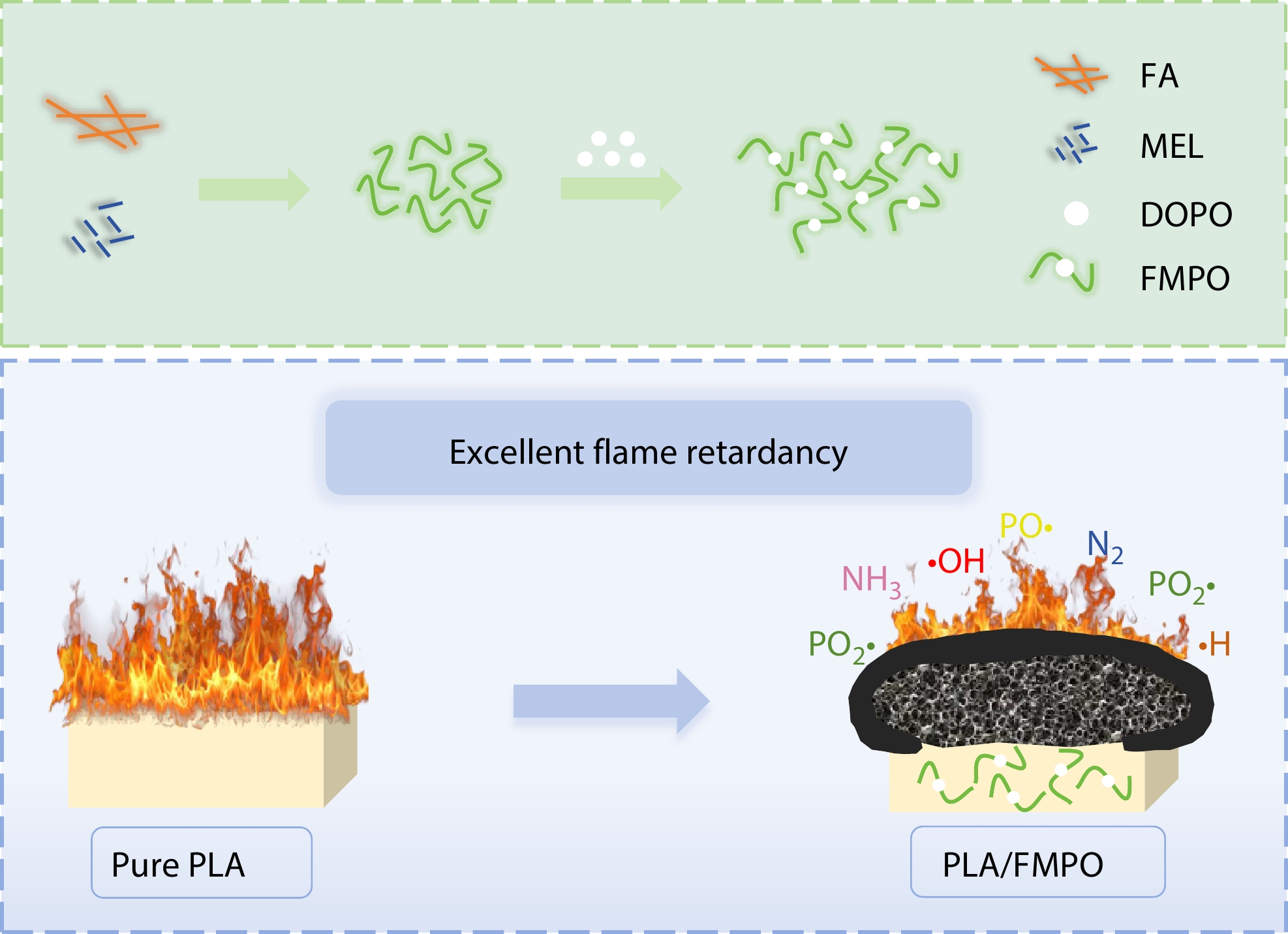
As a bio-based and biodegradable aliphatic polyester, poly(lactic acid) (PLA) holds great promise as a sustainable alternative to conventional petroleum-derived plastics. However, its inherent flammability remains a critical barrier to its use in advanced polymer composites requiring stringent fire-safety standards. In this work, a phosphorus/nitrogen-containing flame retardant (FMPO) was synthesized from melamine (MEL), formaldehyde (FA) and 9,10-dihydro-9-oxa-10-phosphaphenanthrene-10-oxide (DOPO) at a 1:1 molar ratio to serve as a flame-retardant modifier for PLA. The results demonstrated that with only 1 wt% FMPO loading, the PLA composite achieved a UL-94 V-0 rating, and the limiting oxygen index (LOI) increased significantly to 33.2% by 5 wt%. At the same flame retardant content, PLA/5MEL only showed a LOI of 26.8% and a UL-94 V-2 rating. Meanwhile, the mechanical strength of PLA/5FMPO was significantly improved, exhibiting 136% and 41% higher impact strength and tensile strength than PLA/5MEL. The analysis of char residue and incomplete combustion products revealed that FMPO exhibits a bi-phase flame-retardant effect, characterized by gaseous-phase inert-gas dilution and radical quenching, along with a condensed-phase thermal barrier from the carbon layer. This study demonstrates an efficient and sustainable strategy for fabricating high-performance, flame-retardant PLA materials through P/N synergistic fire resistance.
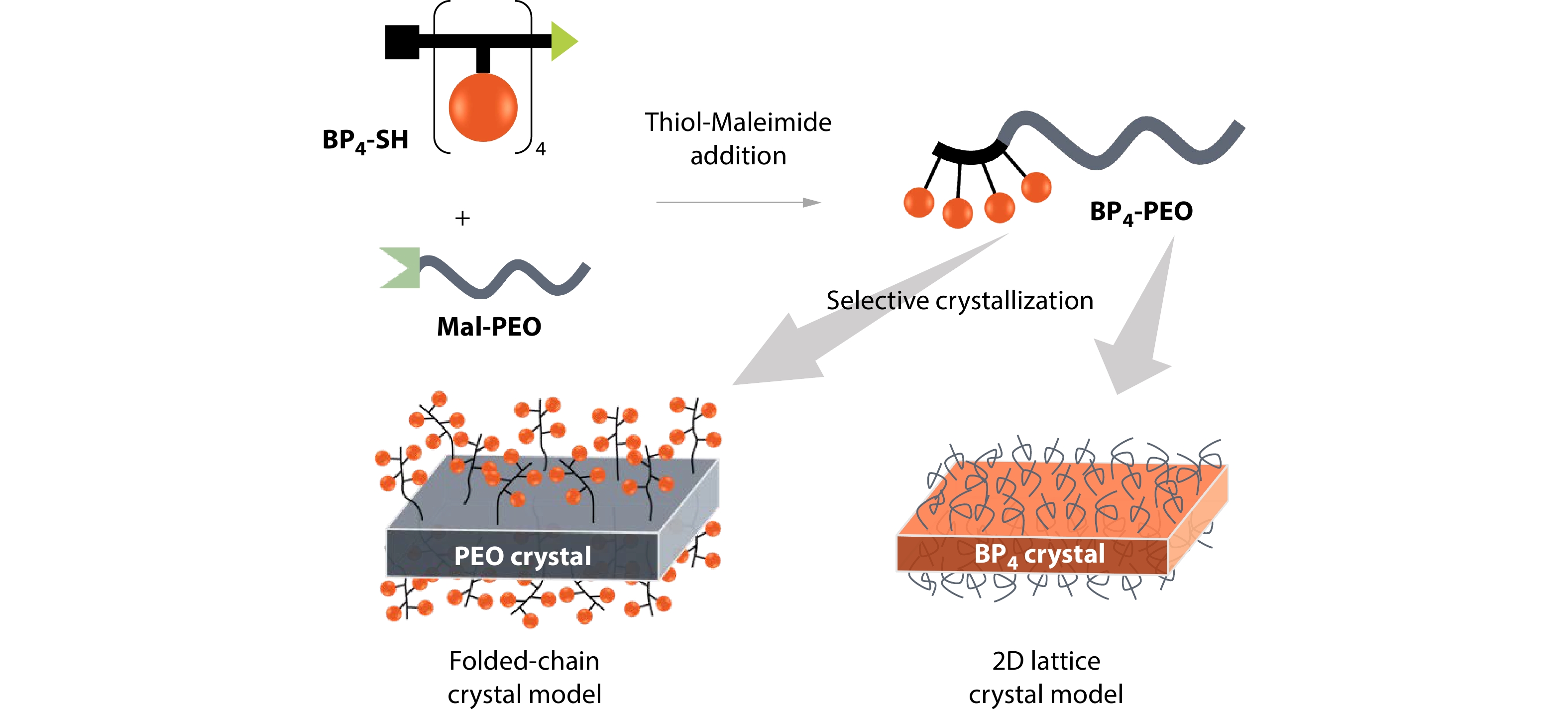
Self-assembly of block copolymers (BCPs) into well-defined nanostructures has emerged as a powerful strategy for tailoring material properties across diverse applications. Crystallization-driven self-assembly (CDSA) has been particularly effective in constructing hierarchical nanostructures with precise control over size, morphology, and functionality. Polyhedral oligomeric silsesquioxane (POSS) cages, known for their unique chemical and physical properties, have recently been used to create hybrid POSS-containing polymers, which show different crystallization mechanisms from the folded-chain model of conventional polymers. In this study, we designed and synthesized two hybrid block copolymers by covalently attaching a crystalline POSS-containing polymer segment (exact four repeating units, BP4) to poly(ethylene oxide) (PEO) or poly(methyl methacrylate) (PMMA), affording BP4-PEO and BP4-PMMA, respectively. We systematically investigated the CDSA behavior of these hybrid block copolymers under various conditions using the self-seeding and direct cooling methods. Our findings demonstrate the potential for selective CDSA of either the BP4 segment or the PEO block in BP4-PEO, leading to a similar nanosheet morphology and distinct core crystal structures. Monocrystalline BP4-PMMA exclusively forms BP4-crystallized nanosheets owing to the amorphous nature of PMMA under the given conditions. The dimensions of self-assembled 2D nanostructures can be tuned by varying the cooling rate and initial concentration. This work provides insights into programmable crystallization pathways in hybrid block copolymers and highlights the potential for designing advanced functional nanomaterials with tailored morphologies and properties.
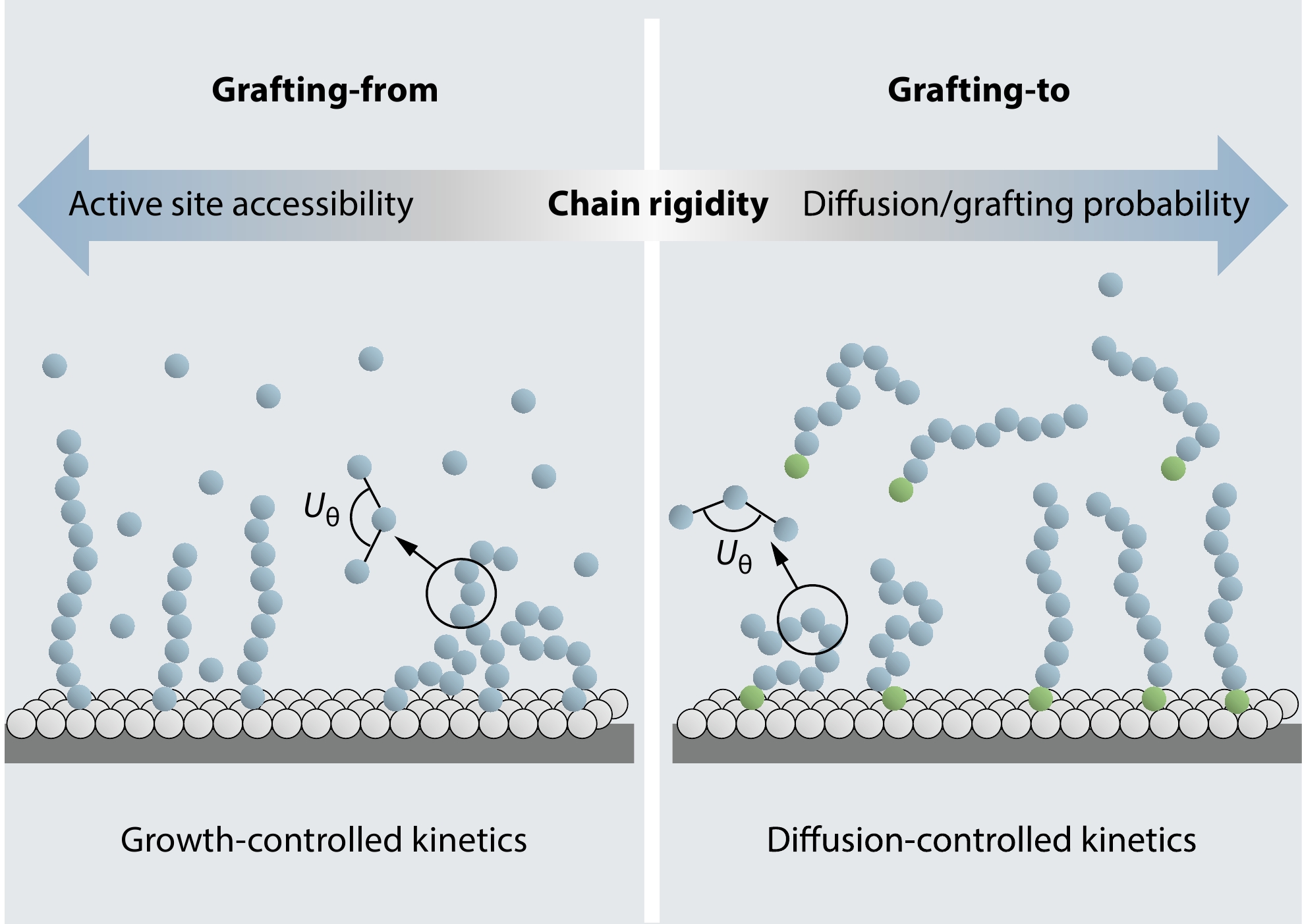
Polymer brush-based surface modification plays a crucial role in tailoring material properties across a wide range of applications, from biomedicine to electronics. Grafting density and dispersity are key parameters governing the performance of polymer brushes; however, the influence of polymer chain rigidity on these characteristics remains insufficiently understood. Polymer chain rigidity is intrinsically determined by chemical structure and can be further modulated by intramolecular and intermolecular interactions, solvent quality, external fields, and topological constraints. In this work, we focus on isolating the role of chain rigidity by controlling it through intramolecular bond-angle interactions in coarse-grained molecular dynamics simulations with an implicit solvent description, allowing a systematic investigation of its role in polymer brush fabrication via both “grafting-to” and “grafting-from” strategies using a stochastic reaction model. For the grafting-to strategy, a moderate increase in chain rigidity enhances grafting density, whereas excessive rigidity restricts chain mobility, thereby hindering grafting efficiency. We further examine the effects of polymer chain length, solution concentration, and surface grafting site density, revealing that grafting kinetics are governed by the cooperative interplay of these factors. To optimize grafting density in binary polymer brushes of flexible and rigid chains using the “grafting-to” strategy, we compare three grafting approaches—flexible-first/rigid-second (F/R), rigid-first/flexible-second (R/F), and simultaneous grafting, by varying the initial ratio of rigid chains (λ). The results show that simultaneous grafting with a high fraction of rigid chains yields the highest grafting density, providing a pathway for optimizing the fabrication of high-density polymer brushes. In contrast, for the grafting-from strategy, with the rigidity range investigated in this study, increasing chain rigidity promotes more extended chain conformations, reduces the spatial shielding of surface initiation sites, and leads to polymer brushes with higher grafting density and lower dispersity. Overall, this study elucidates the mechanistic role of polymer chain rigidity in brush formation and provides theoretical guidance for the rational design and controlled fabrication of high-performance surface-modified materials through conformational regulation.
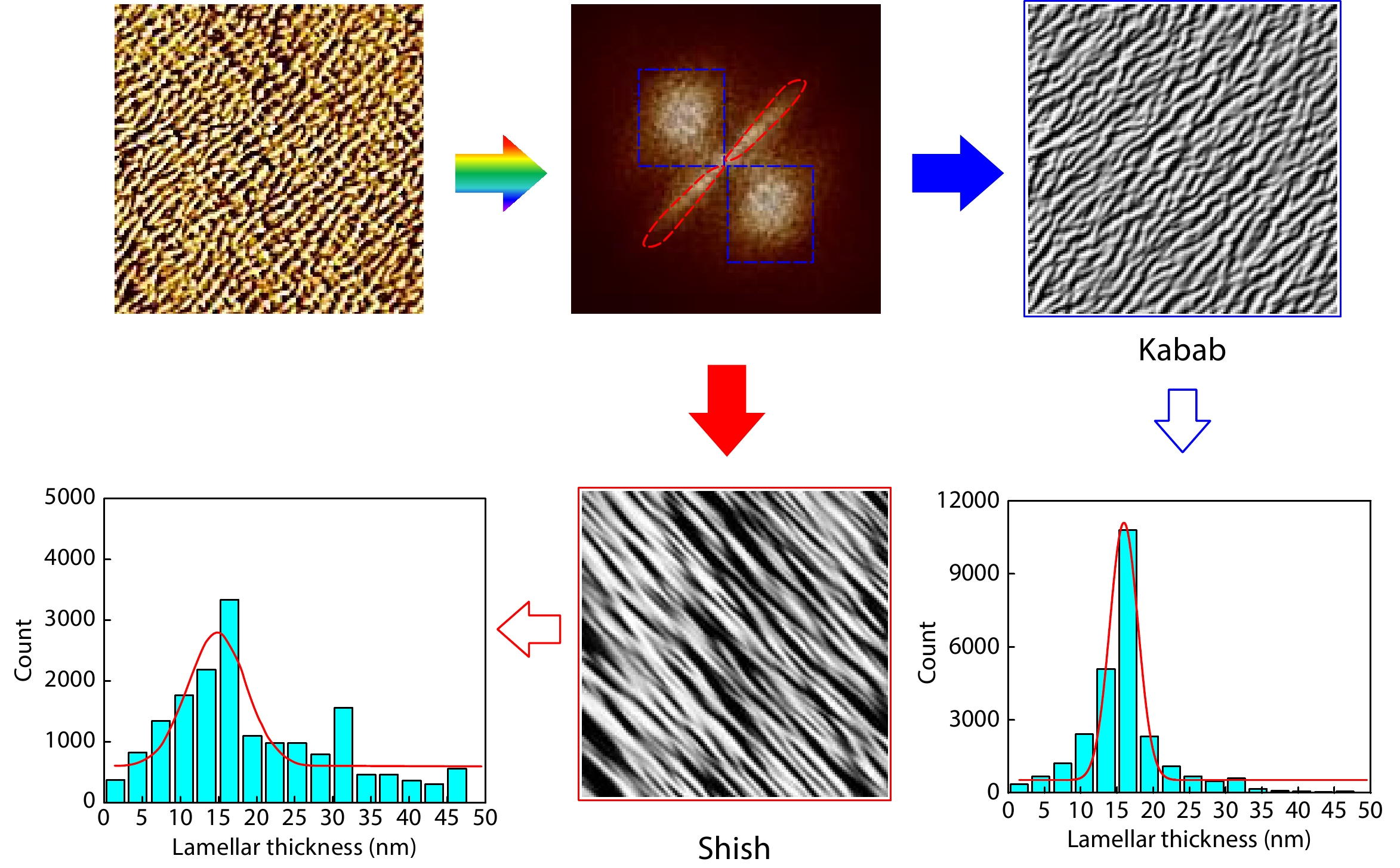
Small-angle X-ray scattering (SAXS), a conventional and widely accepted technique, has been frequently used to evaluate the periodic structure of semicrystalline polymeric materials. However, SAXA data interpretation relies heavily on intricate theoretical models and assumptions regarding the electron density profiles. In this study, we developed a simple image analysis method for calculating the sizes of both crystalline and amorphous regions, together with the long period, based on the images obtained via atomic force microscopy (AFM). This was confirmed by using melt-drawn poly(L-lactic acid) films composed of chain-folded lamellar crystals, and the long period obtained through image analysis (34.4 nm) was very close to that obtained by SAXS (34.9 nm), indicating the reliability of the method. The newly developed method can be used to analyze the structure of films with fibrillar crystals, and even with shish-kebab structures, through the accurate and effective separation of shish and kebab structures individually. Undoubtedly, this work is of great significance for establishing precise structure-property correlations and providing fundamental insights into polymer crystallization mechanisms.
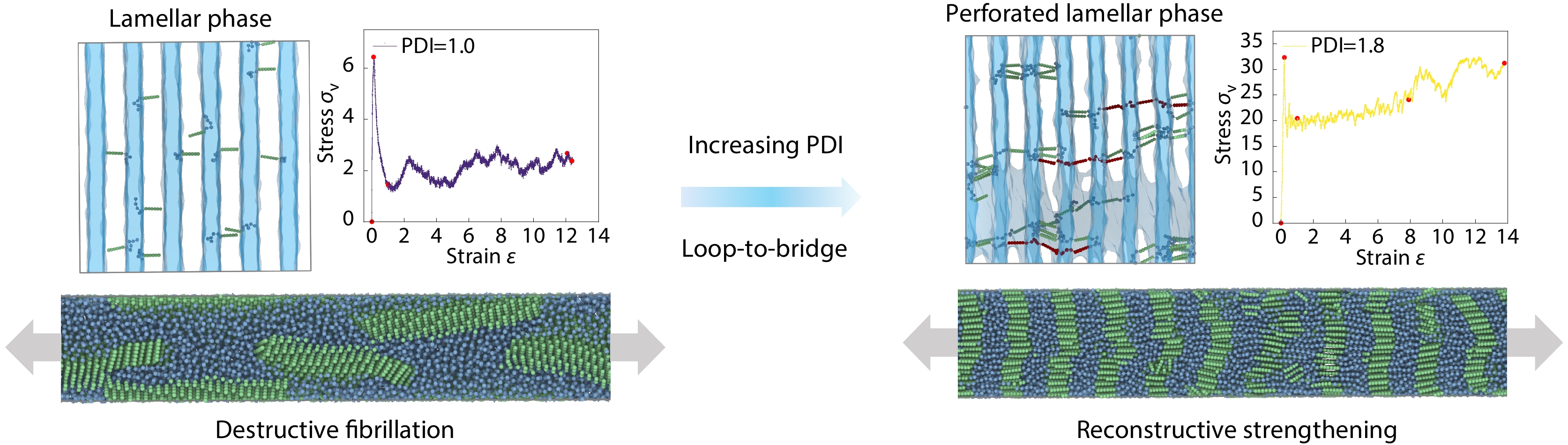
Conjugated polymers incorporating flexible spacers (CP-FSs) offer a promising route to mechanically robust active layers for flexible organic solar cells. However, the influence of molecular weight distribution (MWD)—a fundamental polymer characteristic—on structural and mechanical performance remains poorly understood due to synthetic challenges. Here, we employ dissipative particle dynamics and coarse-grained molecular dynamics simulations to elucidate how MWD, quantified by polydispersity index (PDI), governs structure-property relationships in CP-FSs. Our results reveal that PDI acts as a molecular switch controlling phase morphology: increasing PDI drives transitions from lamellar to perforated lamellar structures at intermediate rigid segment lengths. At the molecular level, higher PDI significantly increases the fraction of bridging conformations ($ {\nu }_{\mathrm{bridge}} $), strengthening a load-bearing network. During tensile deformation, this enhanced load-bearing network suppresses destructive fibrillation and instead promotes reconstructive strengthening through dynamic loop-to-bridge transitions. These findings demonstrate that controlled MWD offers a composition-independent strategy for developing mechanically robust active layers, providing practical guidelines for flexible organic solar cell design.
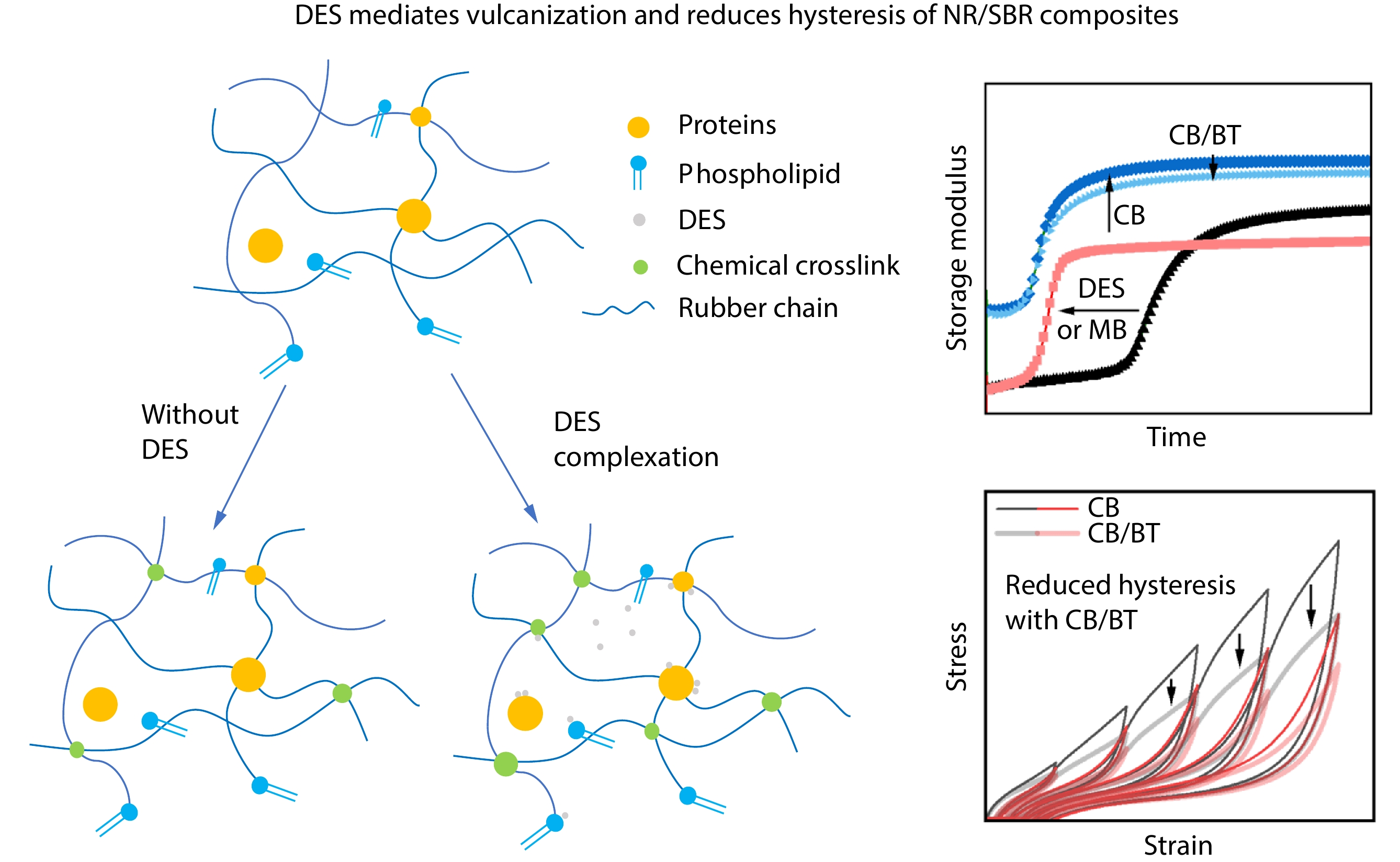
Antioxidants are generally used for prolonging the lifespan of rubber products, while their influences on the vulcanization kinetics and mechanical properties are rarely investigated. Herein, the synergistic roles of conventional antioxidants (6PPD, MB, 2246) and deep eutectic solvent (DES) in natural rubber (NR), styrene-butadiene rubber (SBR), their blends, and the blends filled with carbon black (CB) and black talc (BT) were examined. The results showed that antioxidants and DES influenced the vulcanization kinetics, crosslinking density and mechanical behaviors markedly. A combination of MB and DES resulted in NR/SBR-CB/BT composite vulcanizates with high strength and low dissipation characteristics. DES formed hydrogen bond/ion-pair complexes with antioxidants, and, in NR, interacted with non-rubber constituents, thereby modulating cure intermediates and sulfur-bond distributions, paving the way for preparing high performance rubber composites.
In recent decades, there is growing interest in various applications of polymerized ionic liquids (PILs), particularly in the aqueous biphasic systems (ABSs) used as media for extraction of solutes. In this work, we report new experimental data on the binodal curve and tie lines in the ABSs containing PIL and non-polymerized ionic liquid (IL): poly-[C4Vim]Br-K3PO4-H2O and [C4Vim]Br-K3PO4-H2O at 298.15 K. For the ABS with PIL, the partition coefficient of L-tryptophan between the liquid phases is obtained from experiment and compared with our previous data on ABS [C4mim]Br-K3PO4-H2O containing non-polymerized IL. We conclude that the ABS containing poly-[C4Vim]Br has a lower extraction efficiency than the ABS based on non-polymerized ILs. To elucidate the mechanism underlying such behavior of the PIL-containing mixture, we performed MD simulations of PIL-rich aqueous mixtures in presence of K3PO4 and L-tryptophan. We obtained diffusion coefficients of low molecular mass ions and water, and data on the distribution of these species around polycation over a range of mixture compositions. MD data show that poly-[C4Vim]Br exhibits no favorable selectivity towards L-tryptophan anions in the presence of phosphate background. This confirms unfavorable combination of poly-[C4Vim]Br with phosphate for the extraction of L-tryptophan, in accord with our experimental findings.
The unique regulatory effect of pH on electrostatic interactions offers a powerful approach for manipulating and separating single-stranded DNA (ssDNA) molecules. In this study, we employ Langevin dynamics simulations to investigate the translocation dynamics of two ssDNAs, poly(dA) and poly(dT), through a silicon nitride nanopore under acidic conditions. The key distinction between the two chains is their different pH-dependent protonation. At low pH, the highly protonated adenine bases experience repulsive interactions from the similarly protonated nanopore surface and the retarding force from the external voltage, whereas neutral thymine bases do not. Consequently, compared to poly(dT), poly(dA) exhibits a lower capture probability and slower translocation speed under strongly acidic conditions. However, the difference in the translocation behaviors between the two chains gradually diminishes as the pH increases. Based on their distinct pH-dependent behaviors, poly(dA) and poly(dT) of identical length can be successfully separated through the translocation strategy at low pH, even when they are initially mixed on the same side of the nanopore.
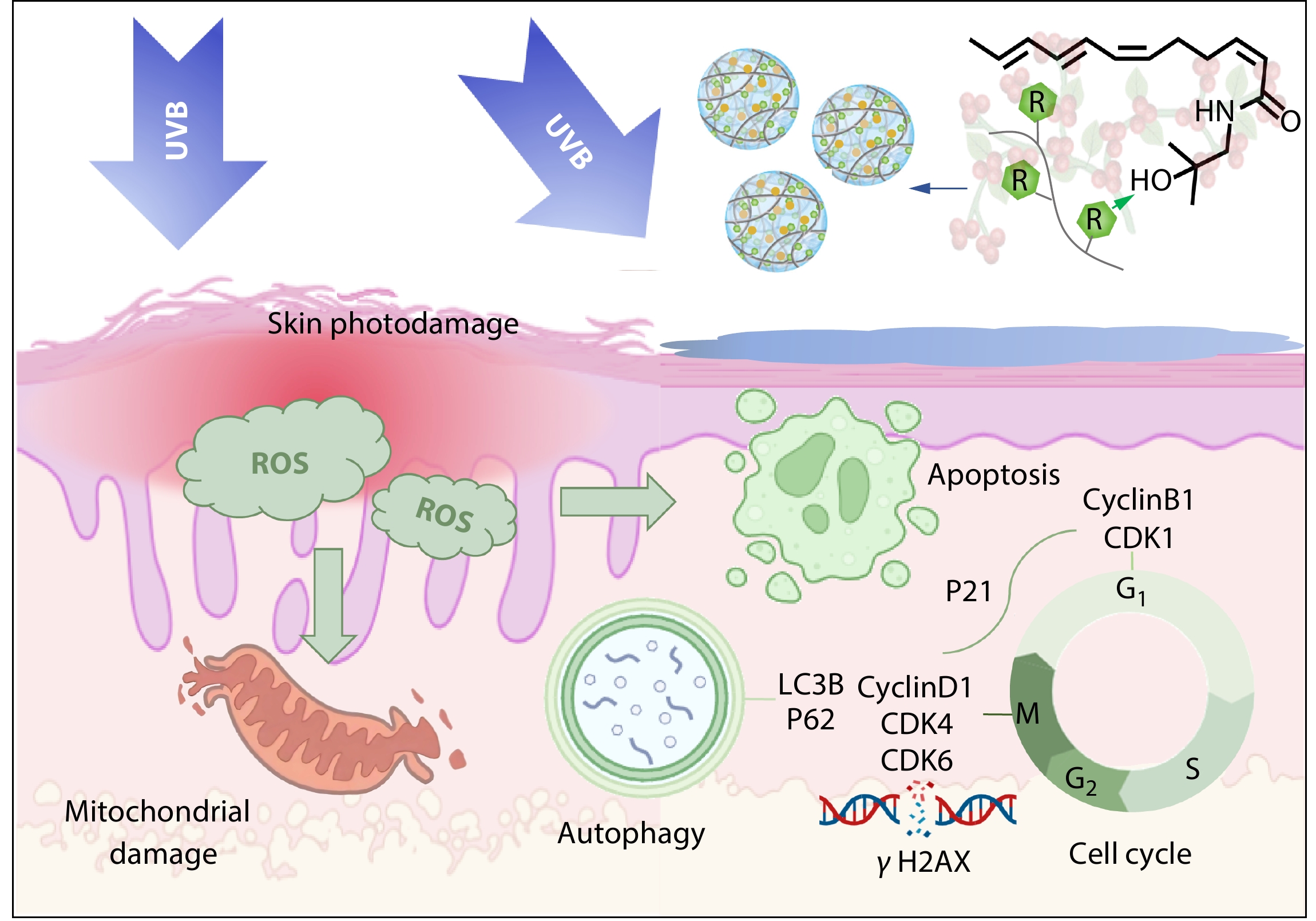
Sanshool is a promising skin photoprotective agent with strong UV absorption and great antioxidative activity. However, it faces challenges including poor stability, skin penetration-associated systemic toxicity, and efficacy loss upon chemical modification. To address these issues, amphiphilic hyaluronic acids (HHA) were synthesized and self-assembled to integrate with sanshool via hydrophobic interactions, significantly boosting its photostability by 24% and enhancing its antioxidative activity. In HaCaT cells, HHA-sanshool nanoparticles (NPs) reduced UVB-induced reactive oxygen species, decreased cell apoptosis, and lowered G2/M phase arrest from 42% to approximately 31% (close to the normal level), while also inhibiting excessive autophagy. Moreover, in a mouse model, HHA-sanshool NPs alleviated UVB-induced skin damage, reducing skin thickening by up to 50% and mitigating erythema, protected collagen/elastic fibers, and suppressed proinflammatory factor, with no dermal penetration in vivo. This strategy provides a simple, efficient and safe platform for natural active molecular clinical translation in skin photoprotection.
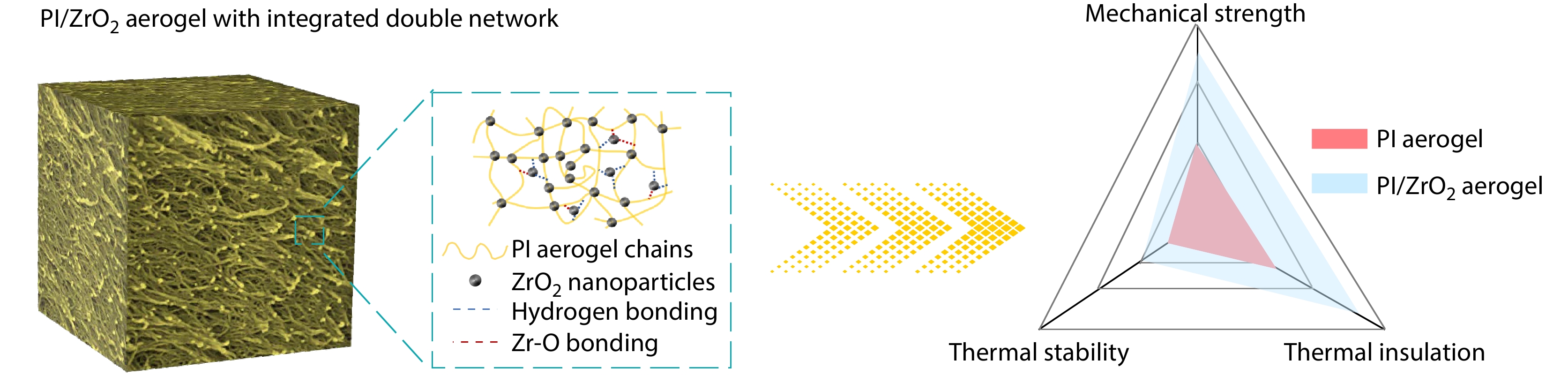
Polyimide (PI) aerogels are at the forefront of heat insulation applications. However, their relatively limited mechanical strength and thermal insulation performance constrain their broader application. This study presents an innovative strategy for preparing PI/ZrO2 composite aerogels with a double-cross-linked network structure. The embedding of ZrO2 nanoparticles into the PI aerogel matrix was enabled by the formation of hydrogen bonds and Zr―O bonds, thus leading to the creation of an ordered, layered network architecture. The introduction of ZrO2 nanoparticles caused a reduction in the thermal conductivity of the PI/ZrO2 composite aerogel from 0.0367 W·m–1·K–1 to 0.0305 W·m–1·K–1. Meanwhile, it significantly increased the compressive strength of the PI/ZrO2 composite aerogel. When the ZrO2 content is 2%, the mechanical strength increases from 0.67 MPa to 1.43 MPa. At 800 °C, the residual mass of the PI/ZrO2-5% aerogel exceeded that of the PI aerogel by 2.3%. These enhancements can be attributed to the cross-linked network triggered by the ZrO2 nanoparticles. Owing to its low thermal conductivity and high-temperature tolerance, ZrO2 remarkably improved the thermal insulation and thermal stability of the aerogel. To assess the feasibility of industrial-scale application of the PI/ZrO2 composite aerogel, a series of pilot-scale amplification experiments were conducted. These results confirm the stability and reproducibility of the synthesis process. The PI/ZrO2 composite aerogel exhibited considerable potential for a wide range of applications across diverse fields.