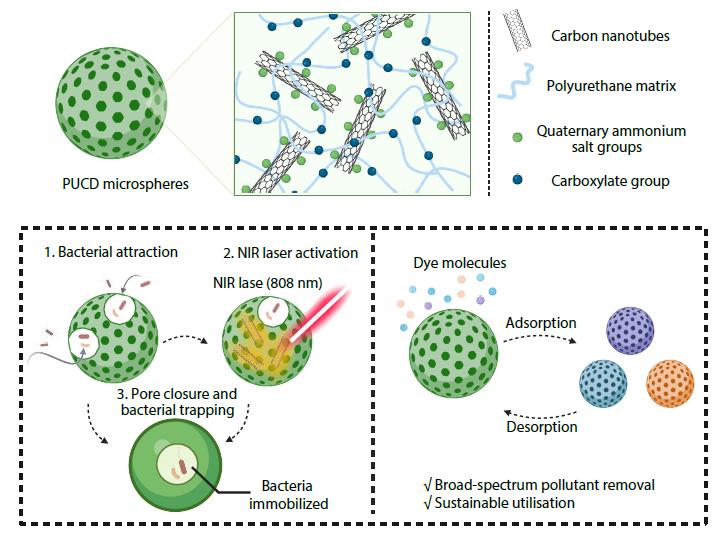
Intelligent polyurethane microspheres (termed as PUCD) integrate bipolar sites for broad-spectrum dye adsorption and a near-infrared (NIR)-triggered ‘pore-closure’ mechanism for in situ bacterial capture, enabling the safe and simultaneous decontamination of hospital wastewater.
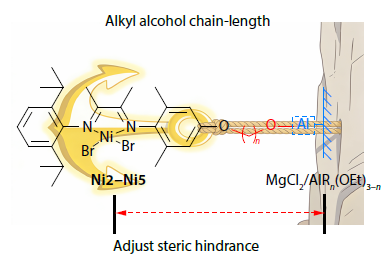
This work investigates supported α-diimine nickel catalysts for ethylene polymerization. By tuning the length of alkyl alcohol chains attached to the ligand, the distance between the nickel center and the MgCl2 support surface is controlled. This modulation effectively regulates support-induced steric hindrance, influencing catalyst behavior.
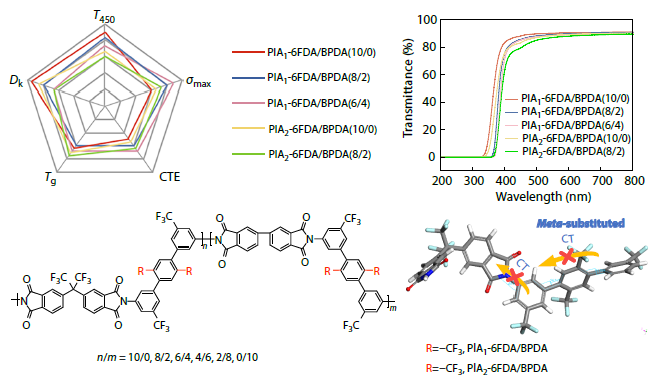
In this work, five colorless polyimides films exhibite concurrent low dielectric constant and high transparency, making them suitable candidates for next-generation flexible electronic substrates.
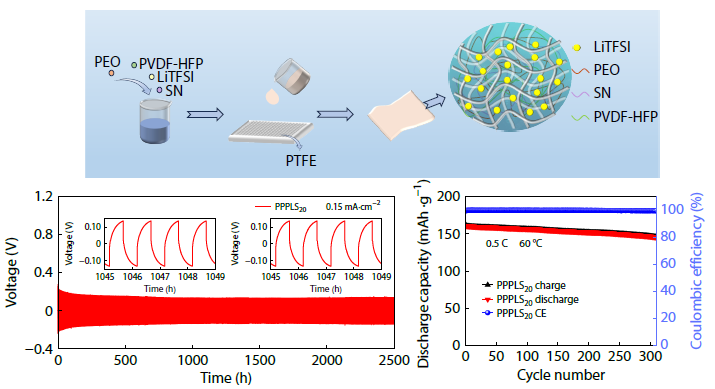
A high-performance solid-state electrolyte was prepared via solution casting based on polytetrafluoroethylene (PTFE) fibrous membrane. Li symmetric cells achieved stable 2500 h cycling at 0.15 mA·cm–2, while full cells retained 91.6% capacity after 300 cycles at 0.5 C with CE>99.9%.
Alexander M. Mitroshin, Serguei A. Miltsov, Ilya E. Kolesnikov, Dmitriy A. Lypenko, Artem V. Dmitriev, Larisa S. Litvinova, Vladislav M. Korshunov, Ilya V. Taydakov, Elena V. Ushakova, Anastasia V. Rogova, Felix N. Tomilin, Alexander V. Yakimansky
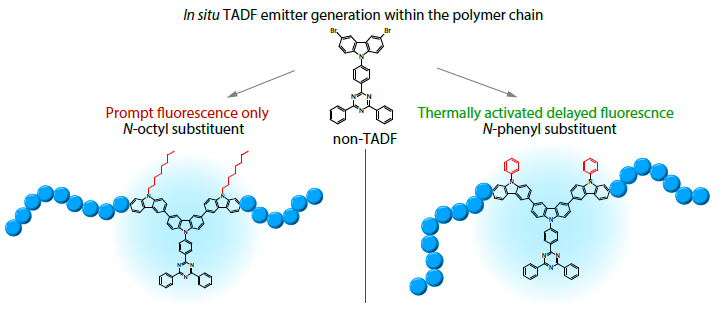
Polymer design allows the thermally activated delayed fluoresscence emitter to form directly inside the polymer chain during the synthesis if carbazole fragment is phenyl-substituted.
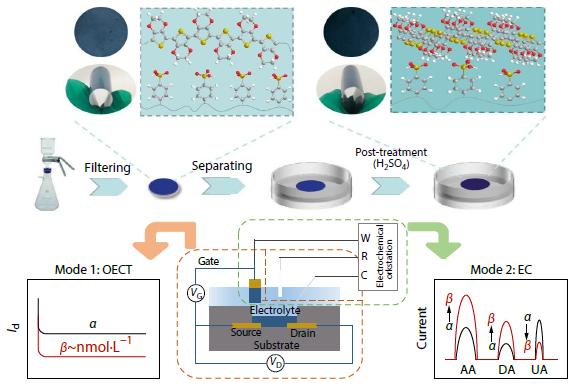
This work presents a dual-mode, enzyme/metal-free all-poly(3,4-ethylenedioxythiophene):poly(styrenesulfonate) (PEDOT:PSS) organic electrochemical transistor (OECT) platform. It enables ultrasensitive and selective multiplexed biosensing of biomarkers, offering a novel strategy for wearable precision diagnostics.
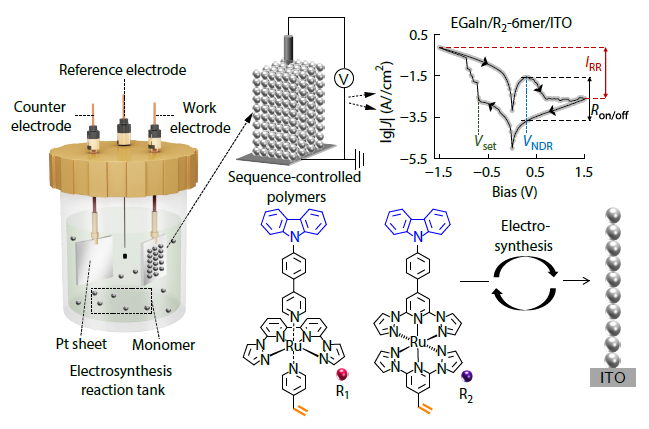
A ligand-directed strategy was implemented: electrosynthesizing two metallopolymers from a tetradentate, planar tpz monomer (R1) and a tridentate bpp monomer (R2) to study the differences in electrical conductivity and memristive performance.
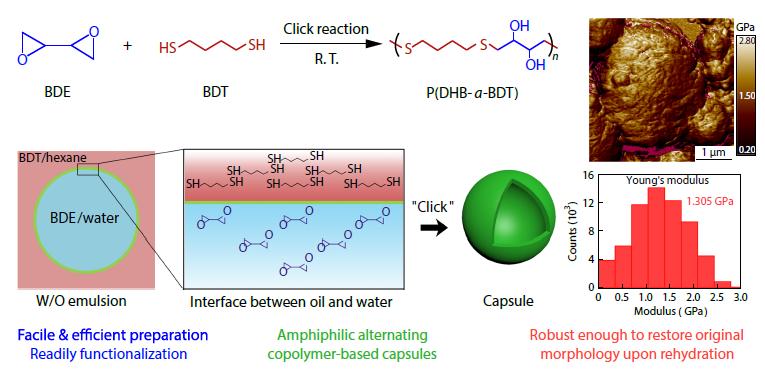
A novel kind of amphiphilic alternating copolymer-based capsules are scalable prepared and functionalized by interfacial click polymerization owing to the merits of click chemistry. The dried capsules show high modulus values exceeding 1 GPa and are sufficiently robust to restore their original morphology once rehydrated.
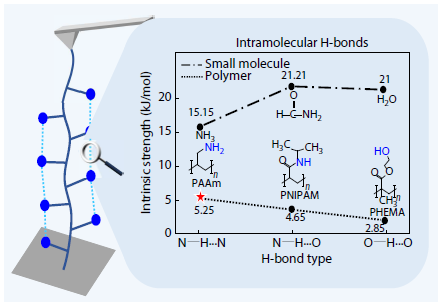
The intrinsic strength of N―H···N H-bonds in polyallylamine, measured as about 5.25 kJ·mol–1 by vacuum-based single-molecule force spectroscopy, exceeds those of N―H···O and O―H···O H-bonds in other polymers, contrasting with the trend in small-molecule systems and revealing how side-chain spatial configuration governs polymer H-bond strengths.
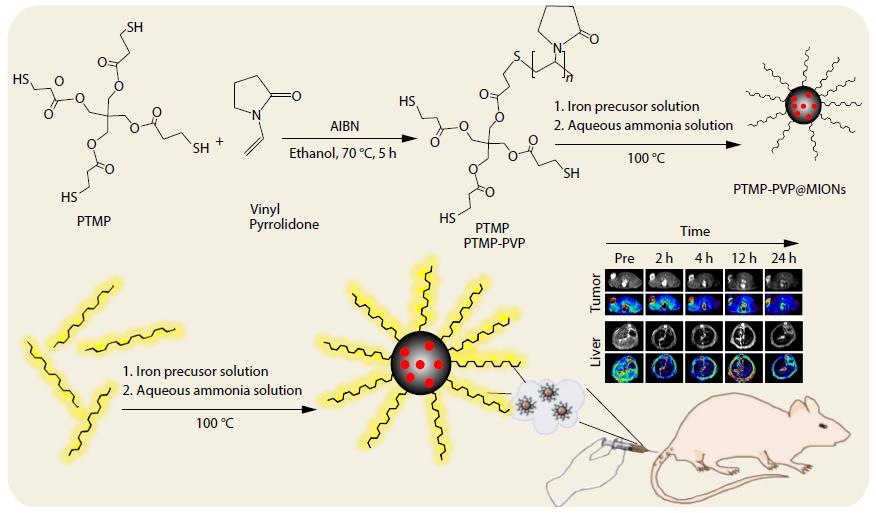
Using high-temperature co-precipitation method, super paramagnetic iron oxide nanoparticles (MIONs) were synthesized in the presence of polymer ligand pentaerythritol tetrakis 3-mercaptopropionate-poly(N-vinyl-2-pyrrolidone) (PTMP-PVP). These nanoparticles were demonstrated by in vivo magnetic resonance imaging (MRI) studies to be promising T2-weighted contrast agent.
Discrete polyesters with cyclic side chains were synthesized via iterative growth. Cyclic pendant groups lead to more compact chain conformation and higher glass transition temperature compared to linear analogues, demonstrating topology-property relationships.
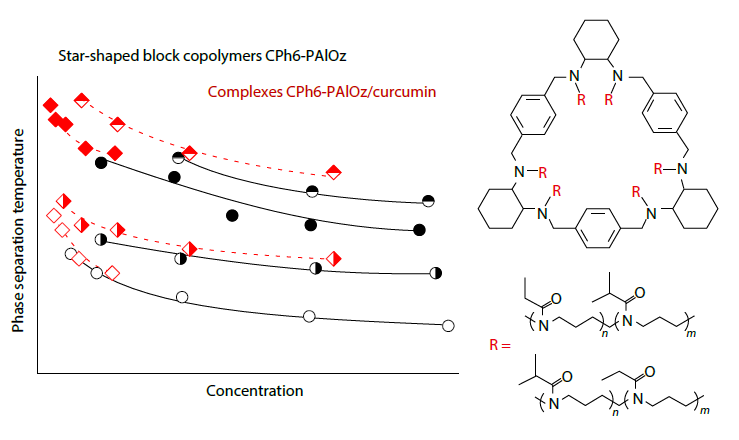
Star-shaped polymers with hexaaza[26]orthoparacyclophane core and arms of block copolymers of poly-2-ethyl-5,6-dihydrooxazine with poly-2-isopropyl-5,6-dihydrooxazine were synthesized. The molecular conformation has been determined. Complexes of polymer stars with curcumin were obtained. The influence of the structure and molar mass of star copolymer on efficient binding and thermoresponsiveness of complexes was analyzed.
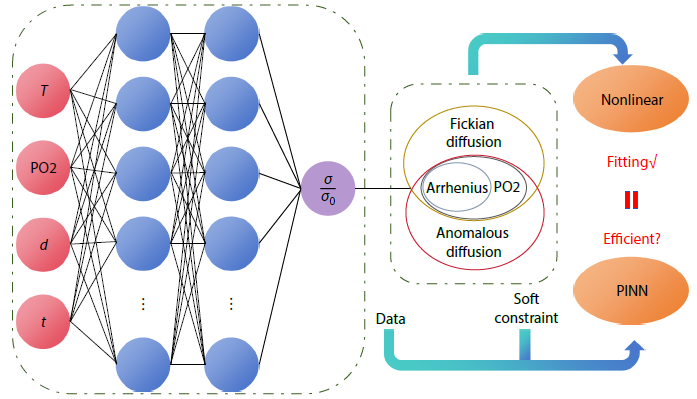
This work presents a physics-informed neural network (PINN)-based method for predicting the thermal-oxidative aging of polyamide composites, in which a diffusion-reaction coupled formula is embedded as a soft constraint to ensure physical consistency under multifactor coupling and to enable cross-system generalization.
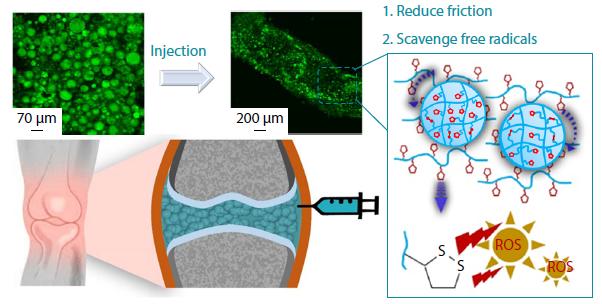
This study developed an injectable hyaluronic acid-lipoic acid microsphere (HA-LA MS) hydrogel to overcome the limited lubricity and bioactivity of conventional HA in early knee osteoarthritis. The composite exhibited superior lubrication, reactive oxygen species (ROS) scavenging, and anti-inflammatory effects in vitro and in vivo, effectively delaying cartilage degeneration.
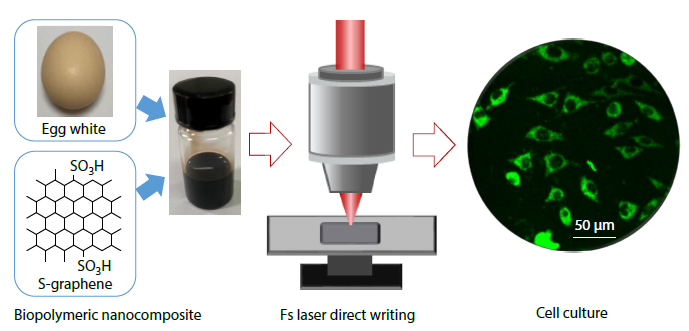
We demonstrate femtosecond laser direct writing of 3D microstructures with sub-50 nm resolution using a biopolymeric nanocomposite composed of egg white and sulfonated graphene. The egg-white/sulfonated graphene microstructure has been proven to be biocompatible. This strategy is a perspective for potential applications in biological and photonic fields.
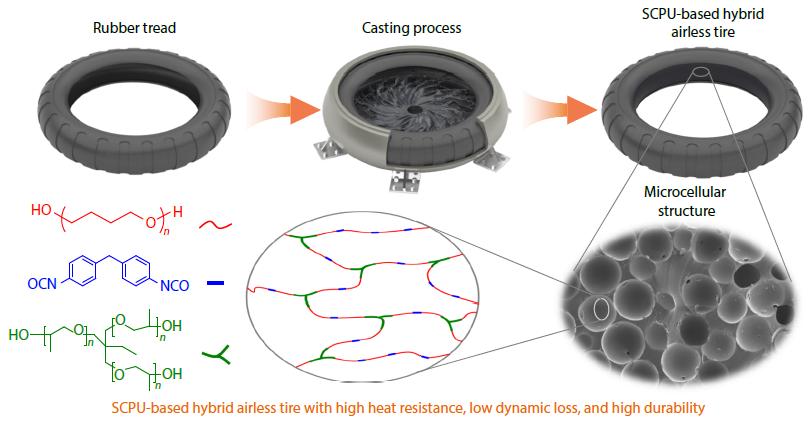
In this work, star-shaped polyether polyols were employed to construct a microporous crosslinked network and to regulate the microphase separation of polyurethane. The obtained casting polyurethane shows enhanced heat resistance and reduced dynamic loss and has been successfully applied in airless electric bicycle tires.
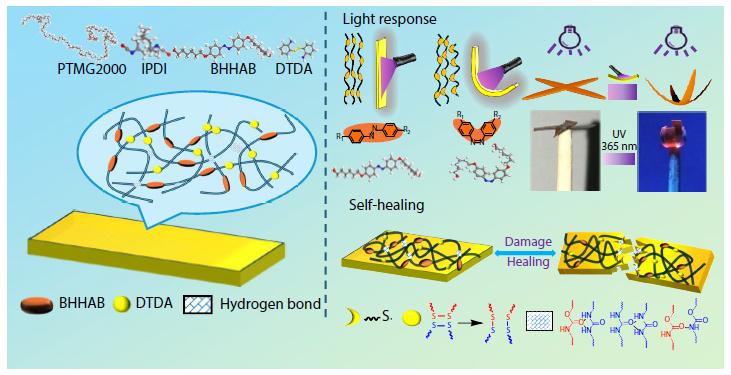
In this study, azo-functionalized polyurethane (AzoPU) actuators with dynamic disulfide and hierarchical hydrogen bonds were investigated. The material achieved over 93% self-healing efficiency, maintained performance after reshaping, and exhibited rapid photo-triggered bending (>180° in 45 s). This demonstrates the potential of flexible electronics and sustainable functional materials.
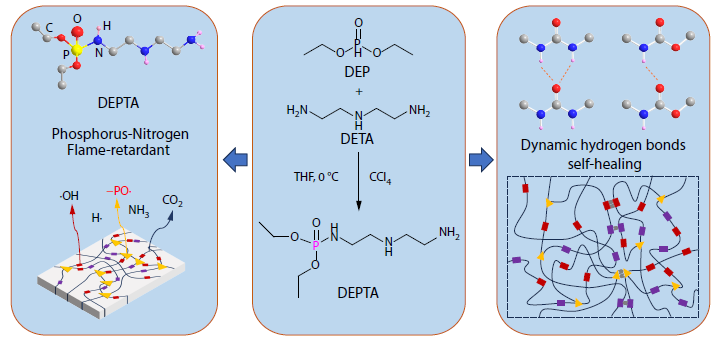
A multifunctional poly(urethane-urea) elastomer, engineered with dynamic hydrogen bonds and a phosphorus-nitrogen flame retardant, achieves over 94.46% self-healing efficiency and a V-0 flame-retardant rating while maintaining high mechanical strength.
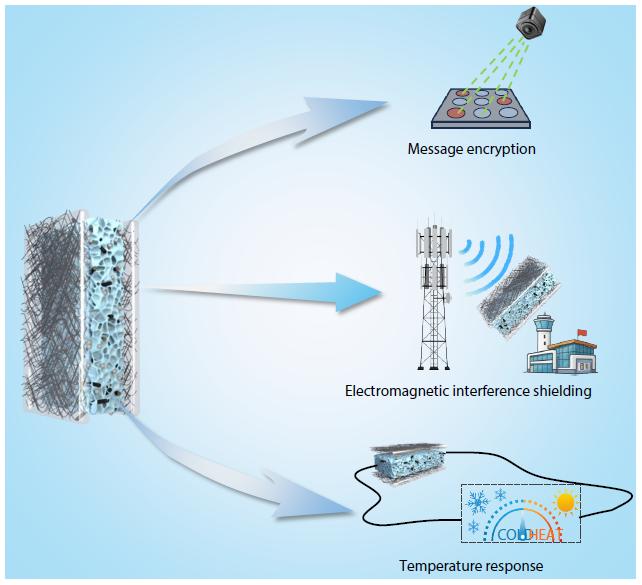
This bio-inspired composite foam, made using supercritical nitrogen foaming, offers excellent electromagnetic interference shielding (60.06 dB), temperature sensing (TCR=−2.642 %/°C), and mechanical properties, showing promise for flexible electronics, aerospace, and military applications.
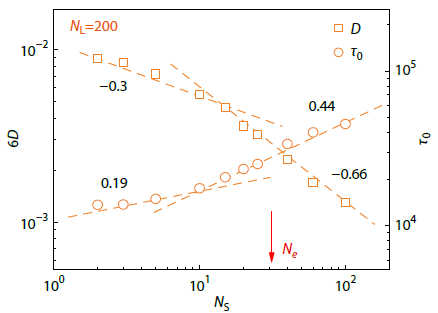
Molecular dynamics simulations reveal that the diffusion coefficient D, and the relaxation time τ0, exhibit a strong, non-monotonic NS-dependence, transitioning from monomeric friction dominance at small NS to collective segmental rearrangement at large NS.
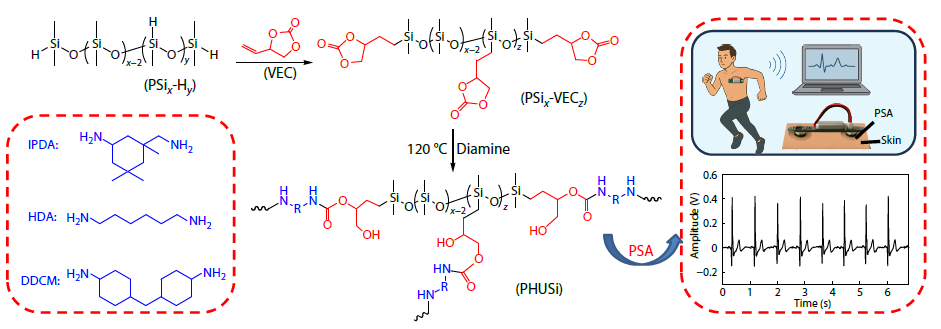
Poly(hydroxy urethane-siloxane) pressure-sensitive adhesives (PHUSi) were synthesized through the reaction of cyclic carbonate-functionalized polysiloxanes with diamines. PHUSi exhibits high biocompatible and adhesive performance, suitable for medical applications, such as flexible electrocardiogram devices.
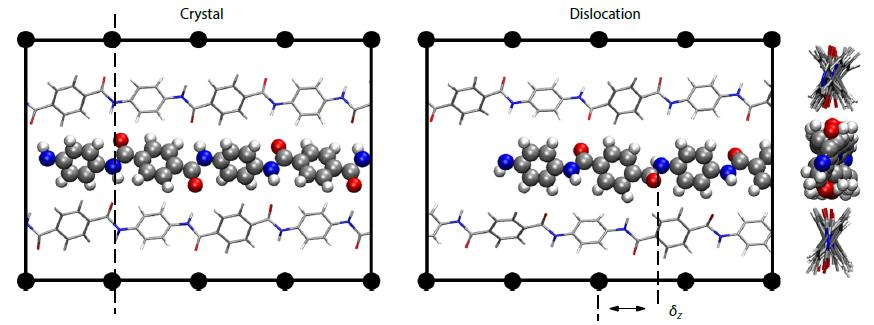
All-atom molecular dynamics simulations reveal that the dislocation propagates and the stress transfers in poly(p-phenylene terephthalamide) (PPTA) fibers not only along the fiber axis but also between adjacent molecular chains through hydrogen bonds, demonstrating their influence on the yield behavior.
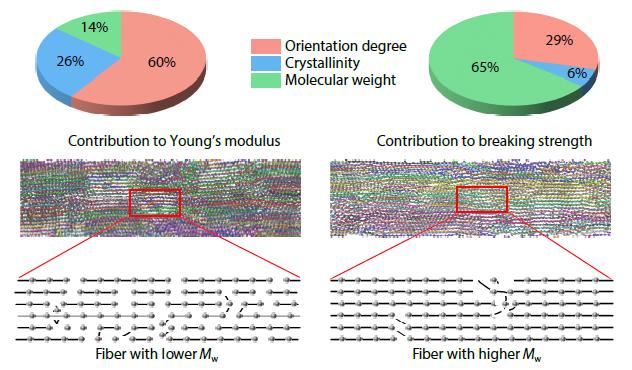
A reasonable model of UHMWPE fiber was constructed using Polyply. By integrating molecular dynamics simulations with machine learning, it was found that orientation contributed most to the Young's modulus, accounting for 60%, while molecular weight played the most critical role in determining the breaking strength, accounting for 65%.
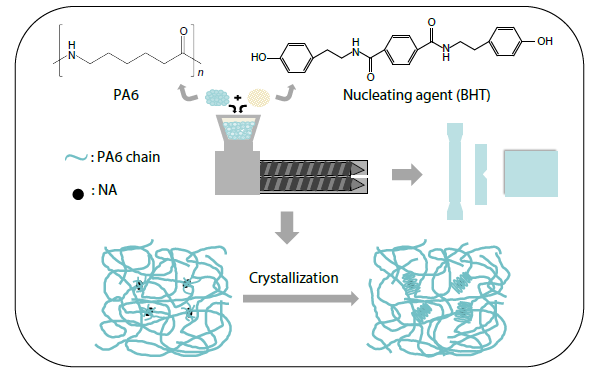
A hydroxyl-containing amide nucleating agent BHT, synthesized from tyramine-based biomass, blends with polyamide 6 (PA6). BHT enhances hydrogen bonding to drive PA6 segment adjustment, strengthening its crystallization and synergistically optimizing thermal, mechanical and optical properties for high-performance PA6 modification.
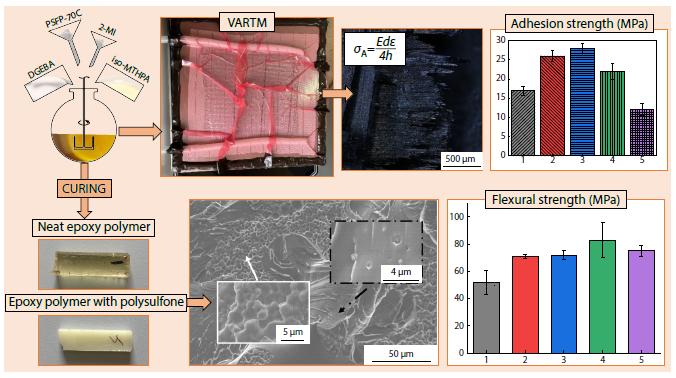
The structure-properties relationship of epoxy polymers modified with polysulfone copolymer was determined. Carbon fiber-reinforced plastics containing cardo polysulfone as a modifier are characterized by increased crack resistance and adhesion strength.
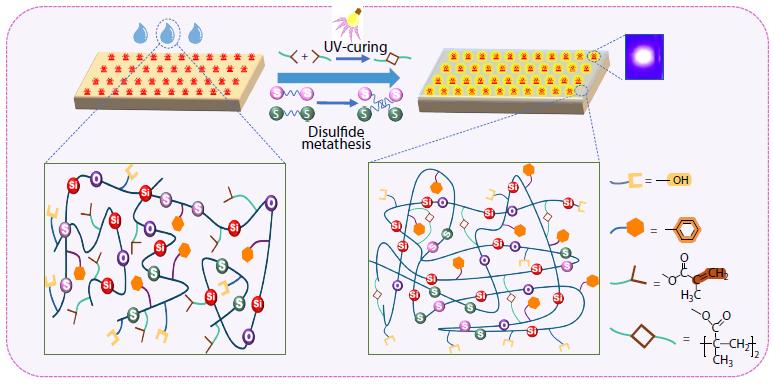
This work develops a novel UV-curable silicone resin containing phenyl, disulfide, and acryloyl groups. It can be rapidly UV-cured within 30 s, exhibiting a high optical transparency (>92%), a high refractive index (>1.5), and a low volume shrinkage (< 4.83%), providing an effective encapsulation solution for Mini-LEDs.